City of Pico Rivera's Climate Action and Adaptation Plan Dashboard
Natural Systems & Water Resources
Deep Dive into Natural Systems & Water Resources
Natural systems and water resources–such as trees, open space, waterways, and soils–can help us combat climate change by sequestering carbon and reducing the impacts from climate change. Healthy landscapes also improve air quality, support wildlife, and create cooler, more comfortable places for people to live, work, and play.
Through the actions in this section, the City aims to strengthen climate resilience by conserving water, protecting and restoring natural areas, and expanding green spaces and habitat where feasible.
Specifically, the City has committed to:
Strategy 1. Expand and protect natural systems
| Action ID | Action Name | Brief Action Description |
|---|---|---|
| NS1.1 | Protect and restore ecosystems | Protect and restore ecosystems that sequester carbon and provide "buffers" during extreme weather events |
Strategy 2. Enhance urban tree canopy and sequestration
| Action ID | Action Name | Brief Action Description |
|---|---|---|
| NS2.1 | Tree preservation ordinance | Enforce and strengthen the City's tree preservation ordinance and establish a Community Forestry program |
| NS2.2 | Tree planting outreach | Promote tree planting through outreach and incentive programs |
| NS2.3 | Urban greening | Continue to implement the City's Urban Greening Plan to increase open space and urban forestry |
Strategy 3. Improve water resource management
| Action ID | Action Name | Brief Action Description |
|---|---|---|
| NS3.1 | Community water conservation | Require the use of drought-tolerant landscaping and water conservation measures in new development and on City property |
| NS3.2 | Green stormwater infrastructure | Encourage low-impact development and stormwater management best practices |
what the city is doing
Protect and restore ecosystems 


Leaf icons indicate emissions reduction and resilience impact (more leaves = greater potential impact).
Action: Protect and restore ecosystems that sequester carbon and provide “buffers” during extreme weather events.
Healthy natural areas like rivers, parks, and wetlands store carbon and help protect communities from floods, heat, and storms. Protecting and restoring these spaces strengthens natural defenses while improving environmental and public health. Specific locations to focus efforts in the City may include the Whittier Narrows Natural Area and Rio Hondo Spreading Grounds.
Timeline: Long-term
Progress: The City has not yet begun to implement this action.
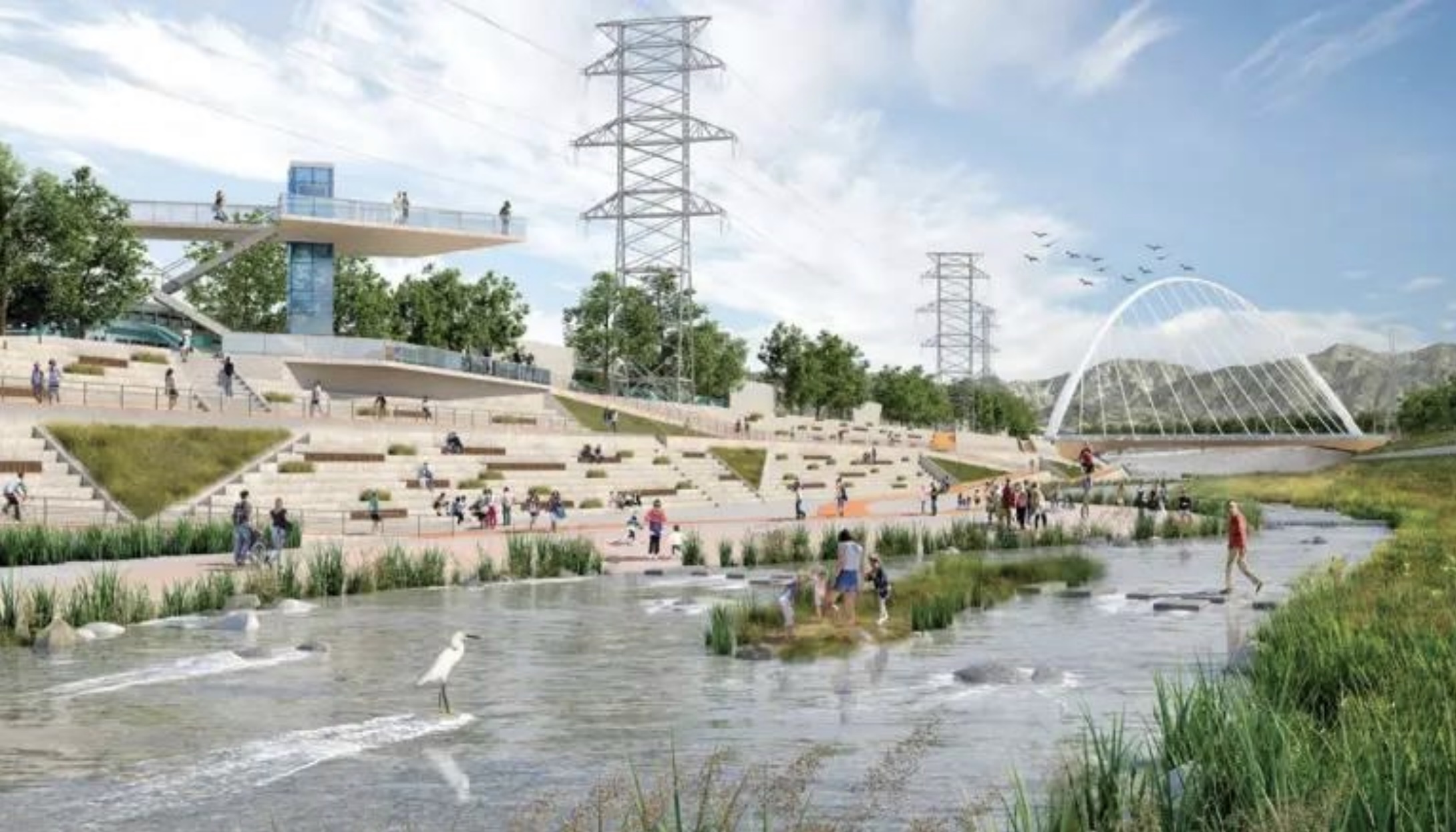
Image above depicts a possible reimagining of the Rio Hondo Spreading Grounds. This redesign effort comes as a byproduct the Whittier Narrows Dam expansion that is due to dramatically cut green space in the City. Ecological restoration is integral in the redesign of this space, making it important recreationally and environmentally.
Tree preservation ordinance 


Leaf icons indicate emissions reduction and resilience impact (more leaves = greater potential impact).
Action: Enforce and strengthen the City’s tree preservation ordinance and establish a Community Forestry program.
Protecting existing trees and caring for new ones helps cool neighborhoods, improve air quality, and store carbon. A Community Forestry program ensures trees are planted, maintained, and protected for long-term climate and community benefits.
Timeline: Near-term
Progress: The City has not yet begun to implement this action.
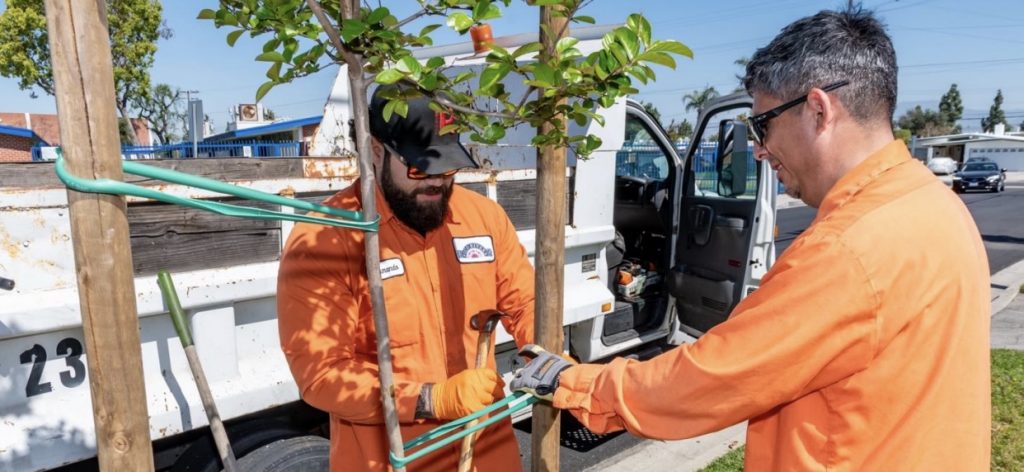
Image above portrays tree planting efforts in the City. Two specialized Public Works team members work to plant a tree along City right-of-way to provide more shaded pathways in the community.
Urban greening 


Leaf icons indicate emissions reduction and resilience impact (more leaves = greater potential impact).
Action: Continue to implement the City’s Urban Greening Plan to increase open space and urban forestry.
Expanding green spaces and tree cover helps reduce climate risks like extreme heat. Prioritizing the most vulnerable areas ensures climate benefits reach the communities that need them most.
Timeline: Ongoing
Progress: The City of Pico Rivera participates in Parks After Dark, which gives families ways to safely spend time outside during cooler nighttime hours during the summer.
The City intends on updating the Tree Master Plan in 2026; this document aims to provide guidance to staff working developing new green spaces or maintaining existing ones.
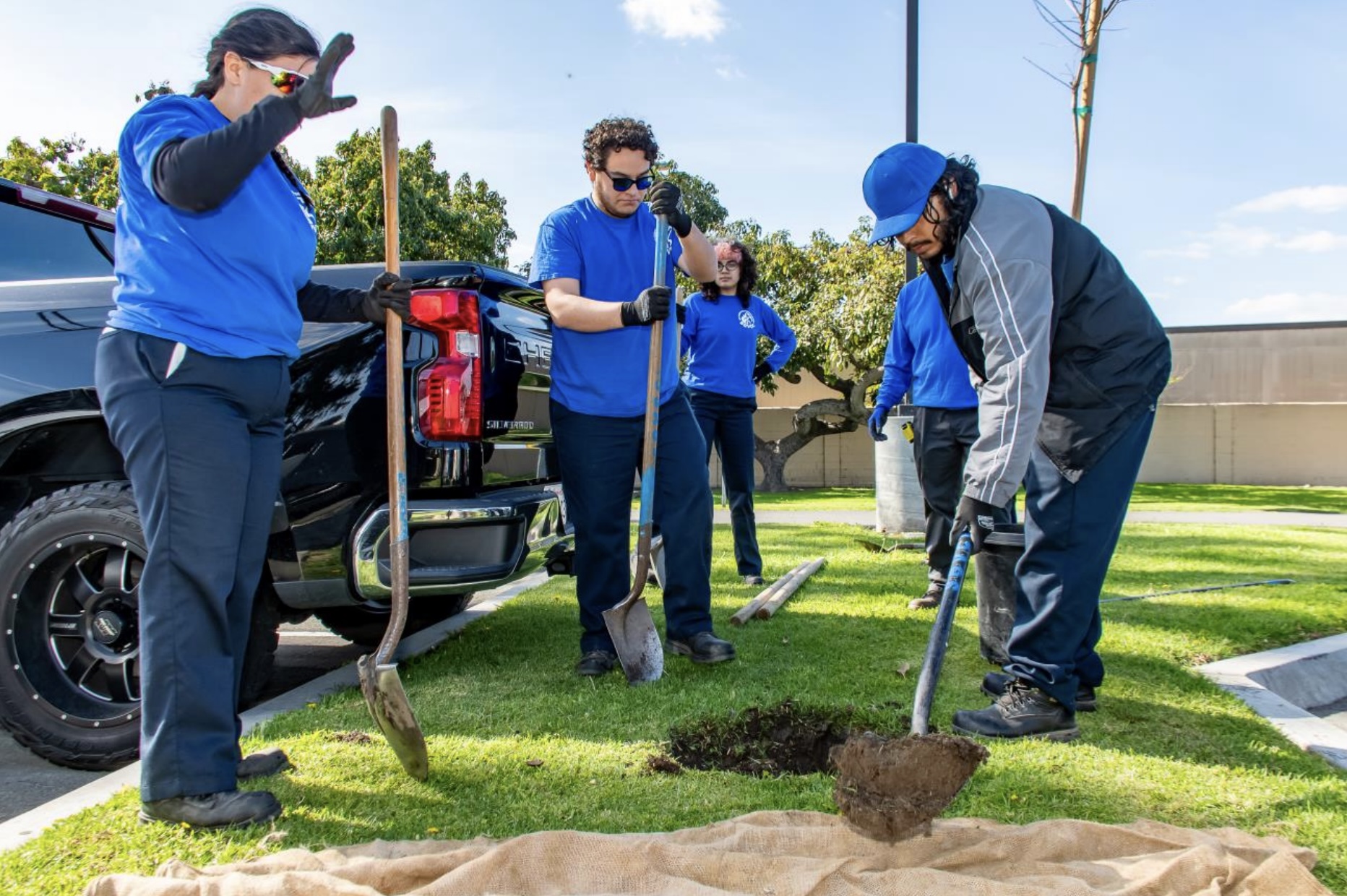
Image shows tree planting training efforts at the City Hall parking lot. This training was a part of the City’s 2025 Tree Adoption Program.
Green stormwater infrastructure 


Leaf icons indicate emissions reduction and resilience impact (more leaves = greater potential impact).
Action: Encourage low-impact development and stormwater management best practices.
Managing stormwater naturally helps reduce flooding and protects local waterways. Low-impact development practices capture and filter rain where it falls, improving water quality and climate resilience. The City’s Urban Water Management Plan and Urban Greening Plan can help guide this work.
Timeline: Medium-term
Progress: The City has not yet begun to implement this action.
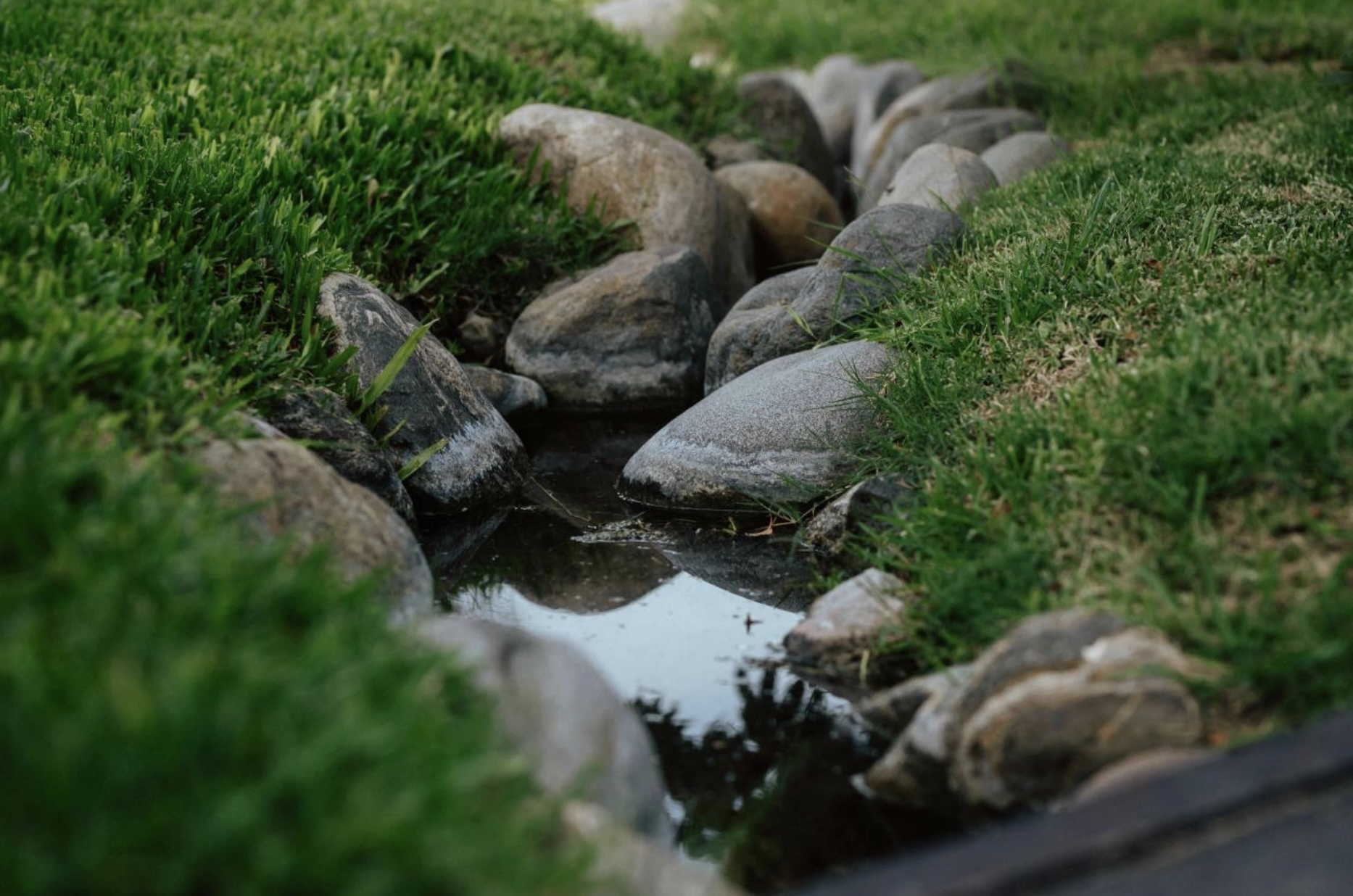
Image above depicts an example of a bioswale; a green stormwater infrastructure feature that can be added to parks and other landscaped areas in the City.
Tree planting outreach 


Leaf icons indicate emissions reduction and resilience impact (more leaves = greater potential impact).
Action: Promote tree planting through outreach and incentive programs.
Planting more trees helps reduce extreme heat and improve neighborhood health. Outreach and incentives help ensure all communities especially those most impacted by heat can benefit from a stronger urban tree canopy.
Timeline: Ongoing
Progress: In summer 2025, the City led an “Adopt a Tree” program, which successfully planted 200 trees in Pico Rivera and trained youth to plant and care for the trees.
Check out the chart below to see trees planted in Pico Rivera by fiscal year (summer to summer) from 2019-2025.
Trees Planted by Fiscal Year
Community water conservation 


Leaf icons indicate emissions reduction and resilience impact (more leaves = greater potential impact).
Action: Require the use of drought-tolerant landscaping and water conservation measures in new development and on City property.
Using drought-tolerant landscaping and water-saving practices helps conserve limited water supplies. These measures reduce climate vulnerability while lowering long-term maintenance and water costs. As part of this action, the City will enforce the City’s Model Water Efficient Landscape Ordinance (MWELO).
Timeline: Ongoing
Progress: Title 13 (Water and Sewers) of Pico Rivera’s Municipal Code contains the MWELO. It’s in Chapter 13.9 (Water Efficient Landscaping).
Check out the chart below to see Pico Rivera’s water use over time. It shows how much water was consumed in residences (in terms of gallons per person) and commercial buildings (in terms of gallons per employee) from 2019 to 2024.
Commercial water use per employee has decreased since 2021. Residential water use per person was lower in 2024 than it was in 2021.
Residential and Commercial Water Consumption
In April 2026 the City started a demonstration garden plot in the City community garden. The space is meant to expose residents to native drought-tolerant plants they can plant in their own spaces.
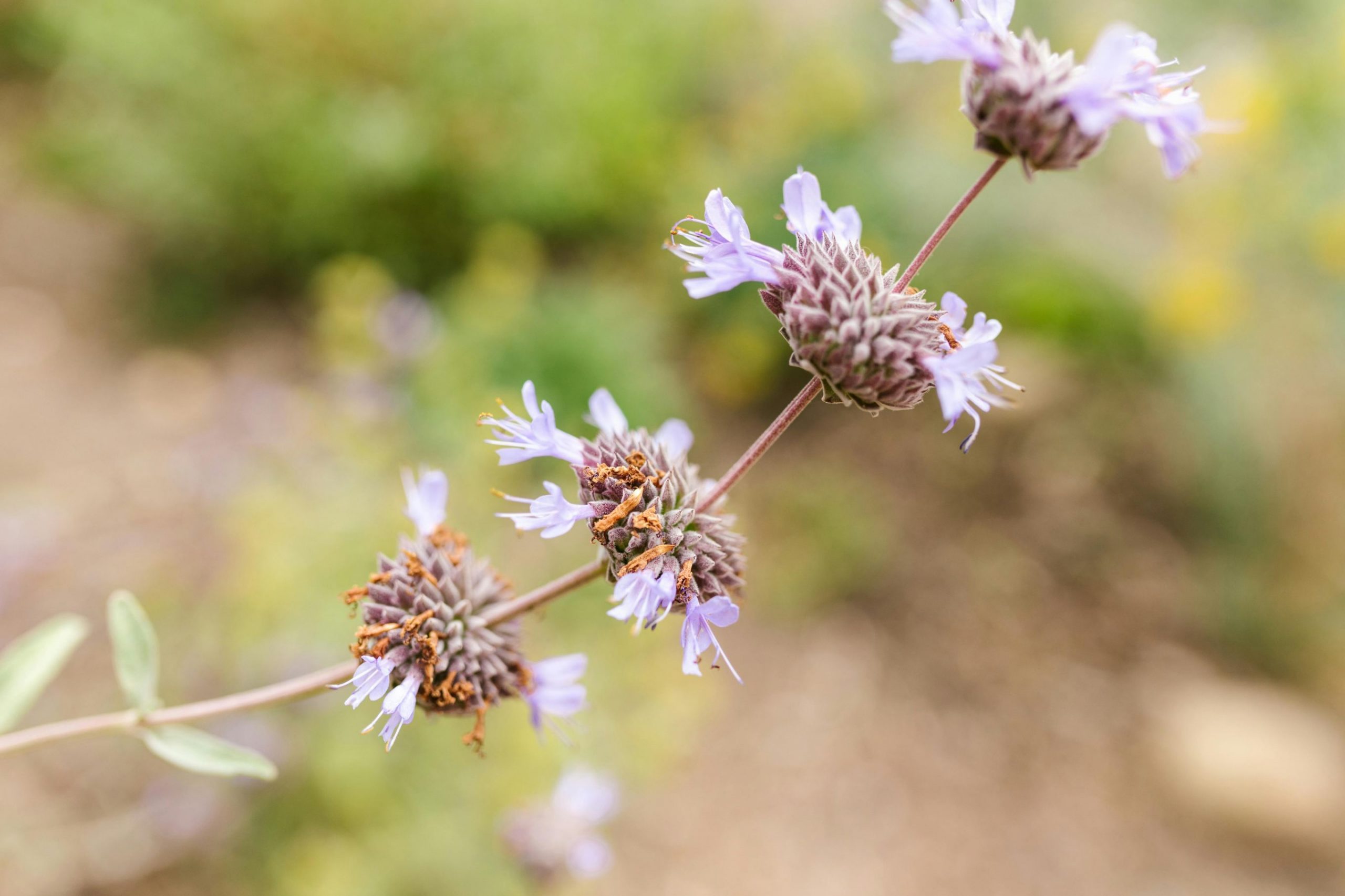
Image above shows purple sage (Salvia leucophylla), a native drought-tolerant evergreen shrub that can beautify any green space. There are various native planting choices that serve as better alternatives to traditional ornamental plants.
what can you do
Reduce your water consumption
Save water at home by installing low-flow showerheads and other water-saving appliances. See the City’s website (scroll down to “Residential Rebates”) for rebates to buy high-efficiency washing machines and toilets.
Find more water-saving tips at bewaterwise.com.
Volunteer
Volunteer in local efforts to protect and restore local ecosystems. Check the City’s Volunteer webpage for information about upcoming opportunities.
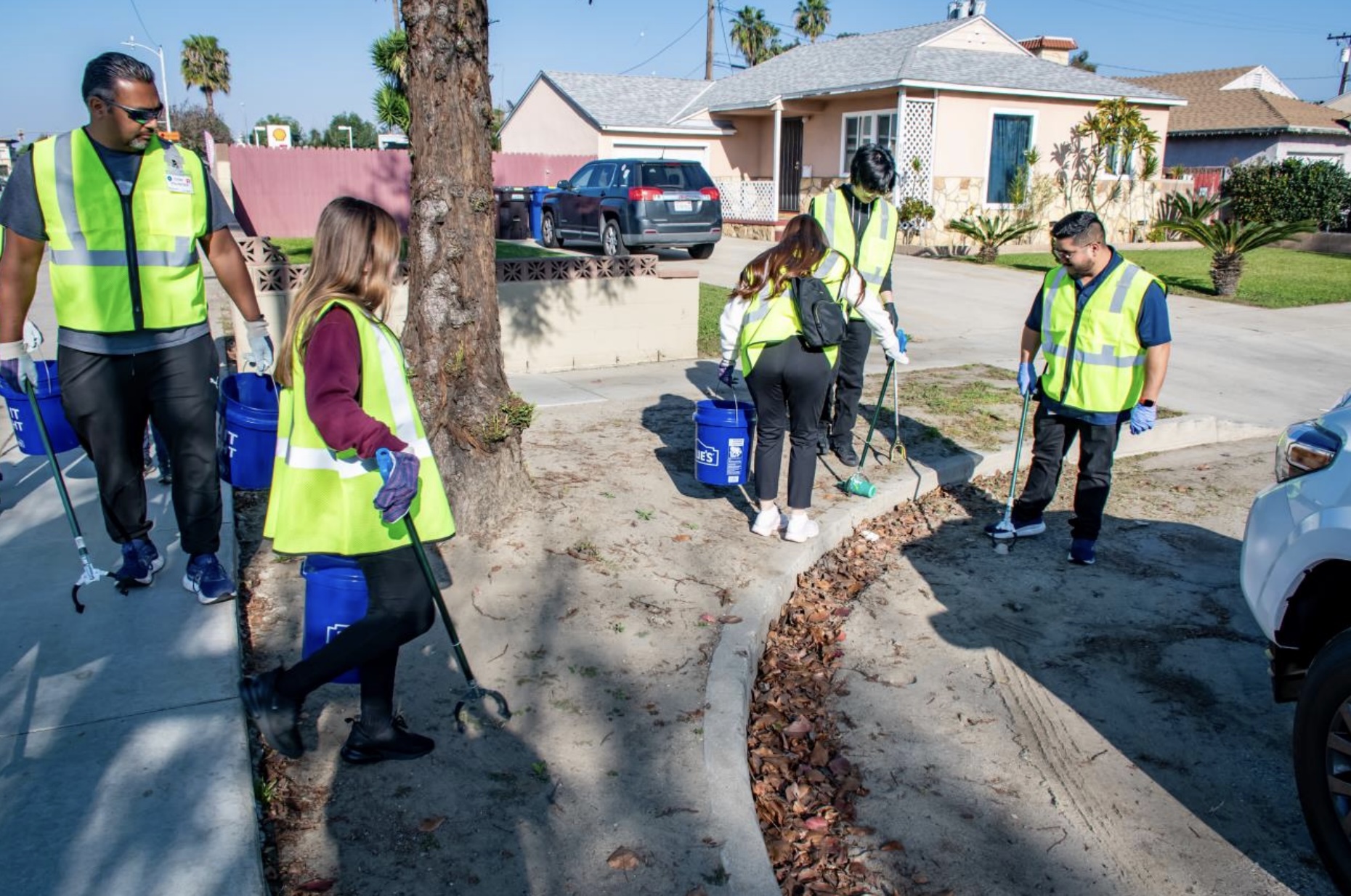
Image above captures a community clean up event to help beautify the City. Residents are invited to participate in these quarterly events whenever possible.
Keep Pico Rivera Green
Attend a backyard and garden composting workshop hosted by the City. Residents interested in gardening but with space limitation can inquire about renting a plot at the Pico Rivera Community Gardens.
Explore drought-tolerant landscaping alternatives. Southern California’s native plant diversity makes finding beautiful plant alternatives an easy choice. Interested community members can see the links below for educational resources:
SoCal WaterSmart’s Turf Replacement Program provides homeowners with an opportunity for rebates to remove their existing grass and replace it with droughttolerant landscaping.
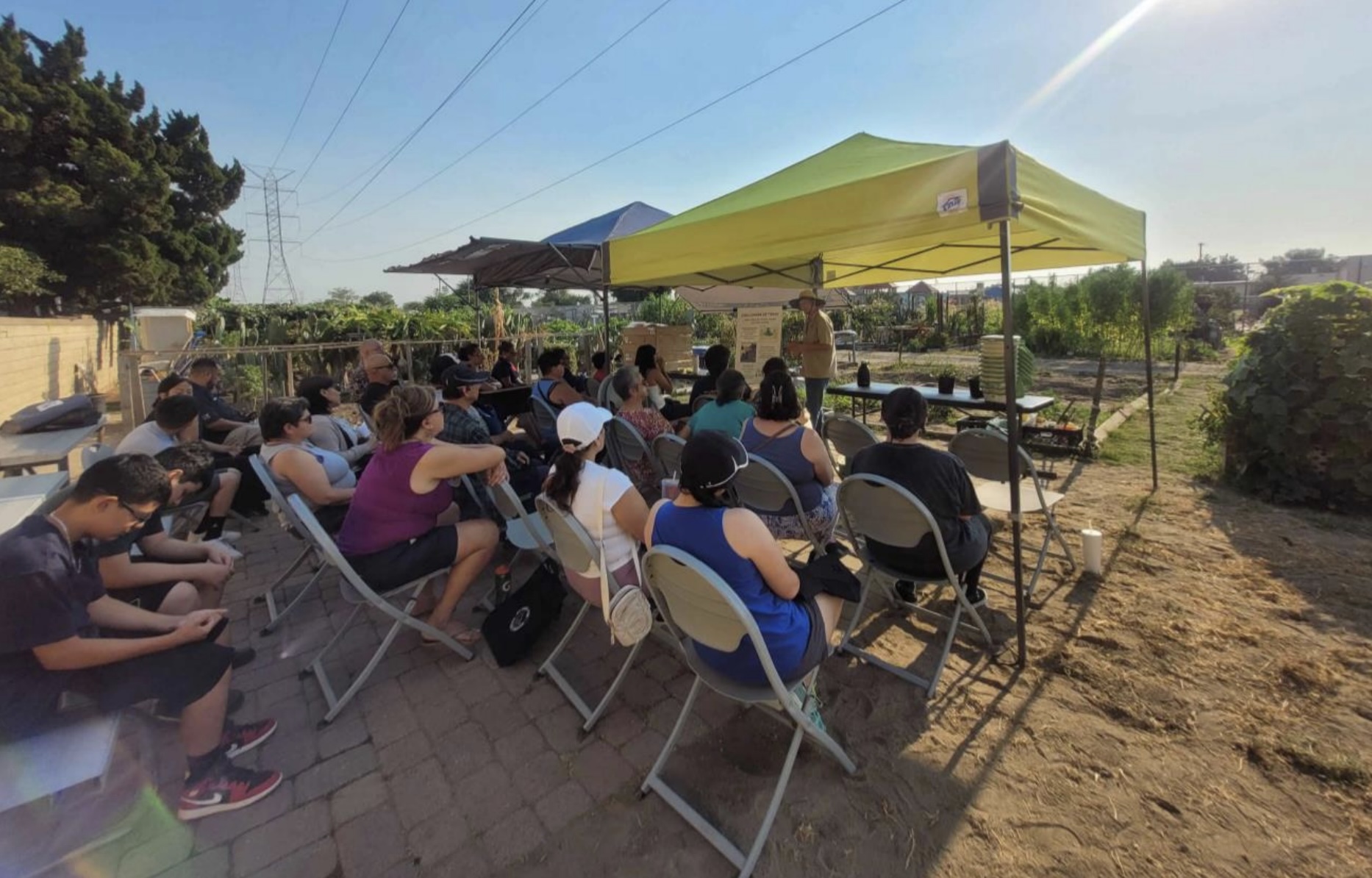
Image above shows a gardening workshop at the Pico Rivera Community Gardens. Interested community members can learn about a range of topics from composting to drought-tolerant landscaping.
Español
English
العربية
Հայերեն
ភាសាខ្មែរ
简体中文
فارسی
Deutsch
日本語
한국어
Русский
Filipino
ไทย
Tiếng Việt