City of Pico Rivera's Climate Action and Adaptation Plan Dashboard
Community Resilience & Well-Being
Deep Dive into Community Resilience & Well-being
The Pico Rivera community is already facing climate change impacts, including hotter temperatures and heatwaves, flooding, prolonged droughts, and worsening air quality. These impacts affect public health, safety, and daily life—especially for residents who are most vulnerable to extreme weather and environmental hazards.
By preparing the community for these climate change impacts and expanding community climate education, Pico Rivera can become more resilient to climate change while improving quality of life and general well-being. The City aims to ensure that all Pico Rivera residents are prepared for current and future climate impacts.
Specifically, the City has committed to:
Strategy 1. Prepare the community to respond to future climate impacts
| Action ID | Action Name | Brief Action Description |
|---|---|---|
| CR1.1 | Climate impacts resilience strategy | Understand and prepare for climate impacts on the community and city infrastructure |
| CR1.2 | Flooding preparedness | Promote community safety and infrastructure resiliency during extreme precipitation events |
| CR1.3 | Sustainable food systems | Expand local food security and the food-related economy |
Strategy 2. Enhance community understanding of climate change
| Action ID | Action Name | Brief Action Description |
|---|---|---|
| CR2.1 | Climate education and awareness | Expand climate education initiatives for the Pico Rivera community |
| CR2.2 | Equitable public participation in climate planning | Actively seek input from communities that have historically been excluded from government and climate policy-making processes |
| CR2.3 | Youth climate engagement | Foster understanding of climate impacts and action within Pico Rivera's youth population |
| CR2.4 | Energy-related outreach and education | Encourage energy efficiency retrofits and building adaptation upgrades through an outreach and educational campaign |
what the city is doing
Climate impacts resilience strategy 


Leaf icons indicate emissions reduction and resilience impact (more leaves = greater potential impact).
Action: Understand and prepare for climate impacts on the community and city infrastructure.
Planning for heat, drought, poor air quality, and water shortages helps keep residents safe and essential services running during climate extremes. Using information from the 2025 Hazard Mitigation Plan and 2024 Climate Vulnerability Assessment in local planning can help ensure the City is prepared for today’s risks and future climate conditions.
Timeline: Ongoing
Progress: The Office of Sustainability participated in the Los Angeles Regional Collaborative’s social media Heat Advocacy Campaign and created heat advocacy and cooling resources. The City will continue to increase the resources and collaboration with local nonprofits to provide more resources at community events.
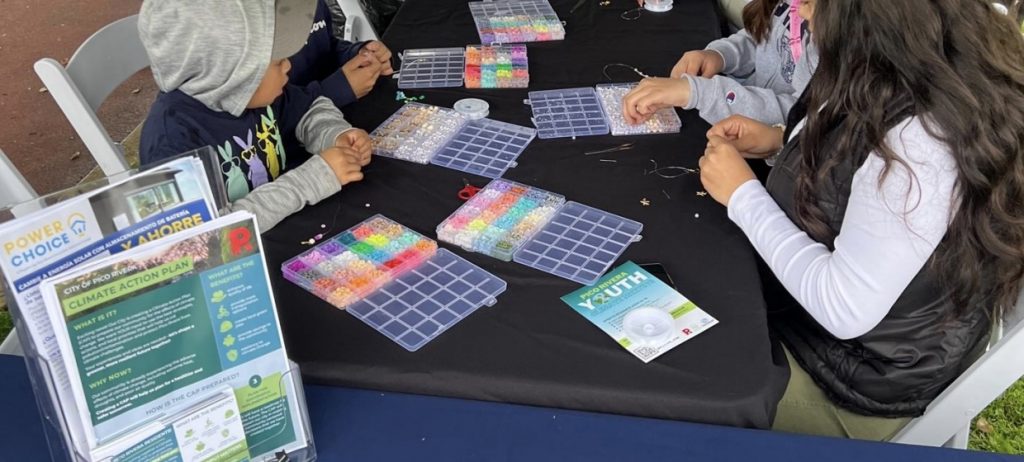
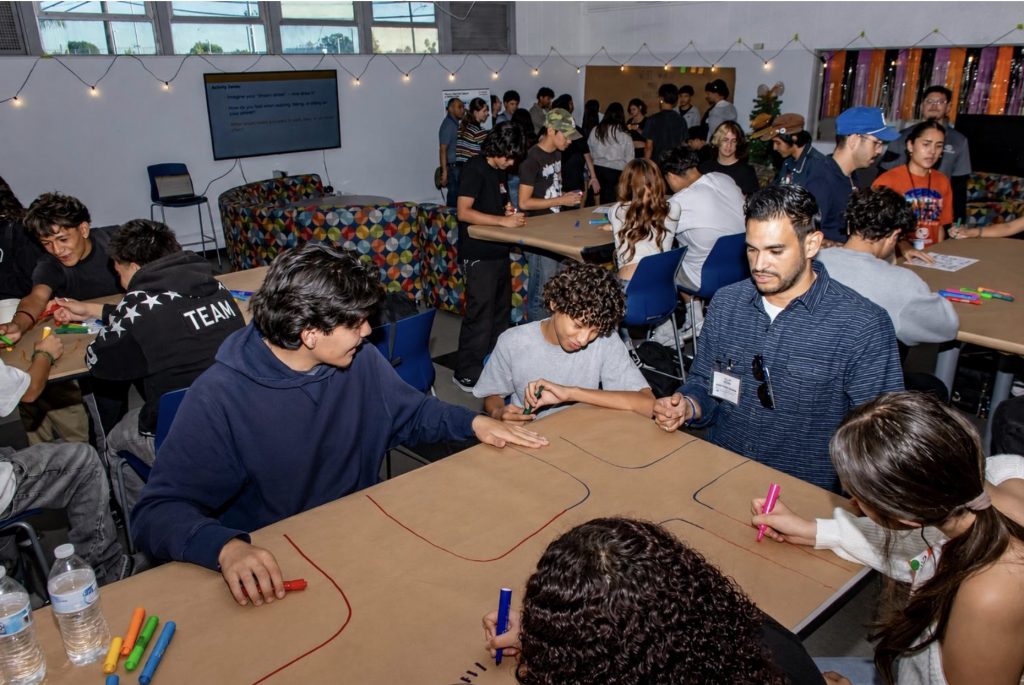
Image above depicts youth at an outreach booth for the development of the City Climate Action and Adaptation Plan (CAAP). These booths were input touchpoints for community feedback about the CAAP’s focus.
Flooding preparedness 


Leaf icons indicate emissions reduction and resilience impact (more leaves = greater potential impact).
Action: Promote community safety and infrastructure resiliency during extreme precipitation events.
Preparing for heavier rain and flooding helps protect homes, roads, and critical infrastructure. Coordinated emergency planning reduces risks to public safety during severe storms.
Timeline: Medium-Term
Progress: The City updated its Hazard Mitigation Plan and Safety Element in 2025, and launched an effort to update the Emergency Operations Plan. The City is working to increase flooding and other natural hazard preparedness.
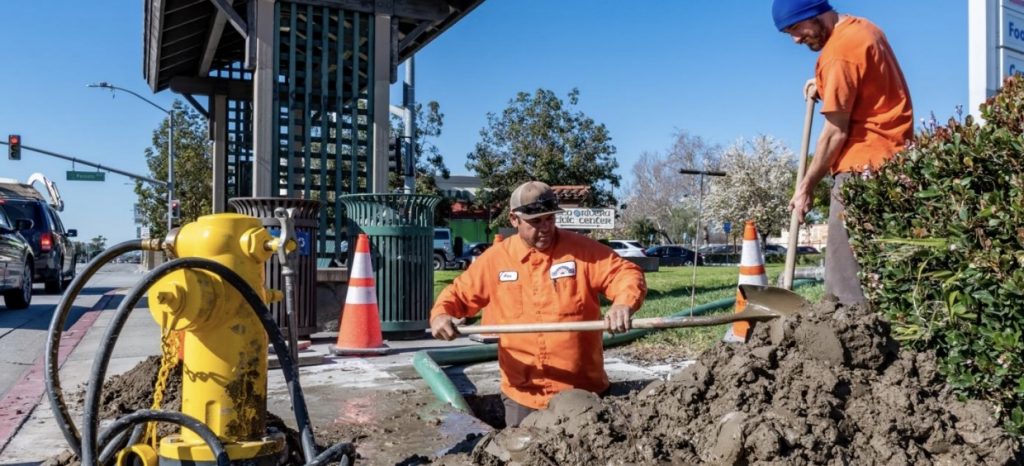
Image above shows the City’s Public Works team providing maintenance to facility infrastructure.
Sustainable food systems 


Leaf icons indicate emissions reduction and resilience impact (more leaves = greater potential impact).
Action: Expand local food security and the food-related economy.
Supporting local food systems improves access to healthy, affordable food while reducing climate impacts from food transportation. Community gardens and local markets also strengthen neighborhood resilience during disruptions.
Timeline: Medium-Term
Progress: The City has not yet begun to implement this action.
Energy-related outreach and education 


Leaf icons indicate emissions reduction and resilience impact (more leaves = greater potential impact).
Action: Encourage energy efficiency retrofits and building adaptation upgrades through an outreach and educational campaign.
Energy-efficient and climate-resilient buildings help protect residents from extreme heat, improve indoor air quality, and lower energy bills. Outreach and incentives help residents and businesses access retrofit options and available assistance programs.
Timeline: Near-term
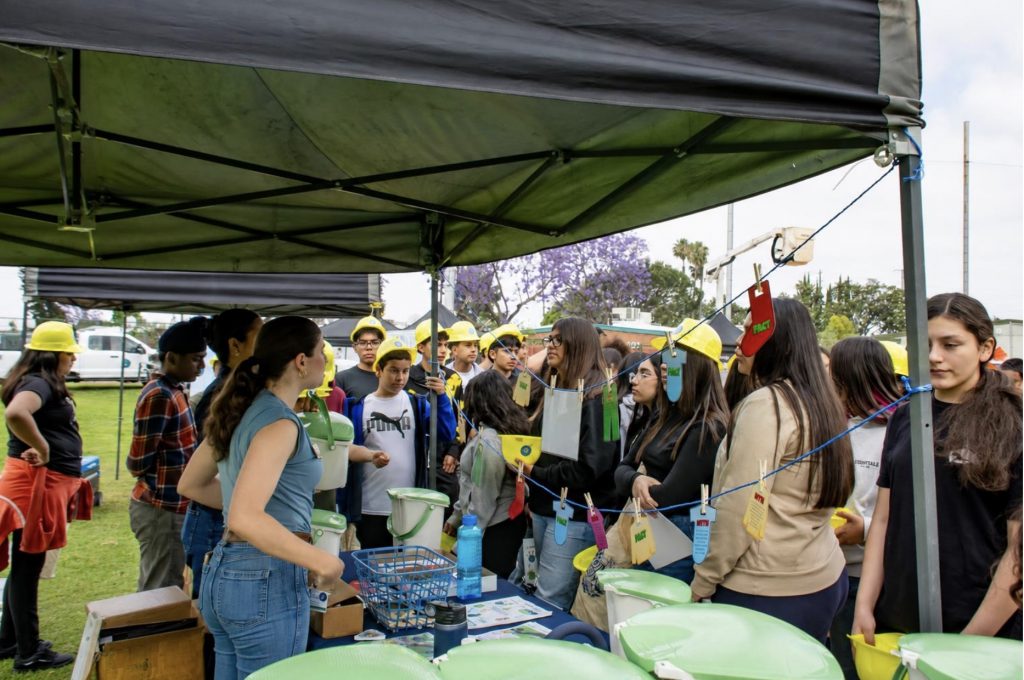
Progress: The City developed a Myth or Fact game to education community members about energy efficiency to clarify what PRIME, the City’s Community Choice Aggregation (CCA).
Image above shows the City’s educational outreach around energy efficiency and the connection to local and global climate changes.
Climate education and awareness 


Leaf icons indicate emissions reduction and resilience impact (more leaves = greater potential impact).
Action: Expand climate education initiatives for the Pico Rivera community.
Clear, accessible climate education helps residents understand risks, protect their health, and take action. The City will create a community climate education program that helps residents better understand climate issues and what they can do in their daily lives, working with trusted community and youth organizations.
The City will also encourage more residents to join the Community Emergency Response Team (CERT) so neighbors are prepared to help during emergencies, and provide a public way to track the City’s progress on climate actions and emissions reduction.
Pico Rivera communities most at risk to climate impacts include elderly residents and young children, communities that are linguistically isolated, individuals with preexisting health conditions, and residents who are cost-burdened and/or experiencing food insecurity.
Timeline: Near-Term
Progress: The City created this dashboard website to expand climate education in Pico Rivera. After the City establishes a baseline level of understanding and awareness within specific communities, future education initiatives will center around populations with unique needs.
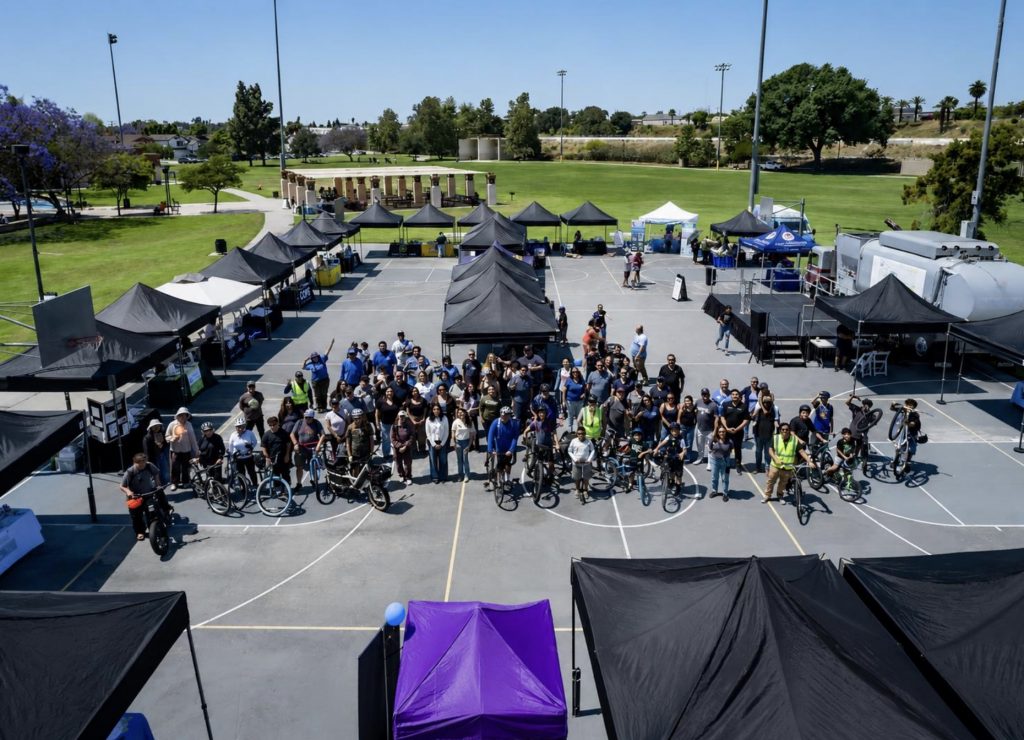
Image above captures the City 2026 Earth Day Celebration. This yearly event aims to bring environmental education resources to the community.
Equitable public participation in climate planning 


Leaf icons indicate emissions reduction and resilience impact (more leaves = greater potential impact).
Action: Actively seek input from communities that have historically been excluded from government and climate policy-making processes.
Engaging residents who have been historically excluded from decision-making helps ensure climate actions reflect community needs and priorities. Inclusive engagement leads to more effective and equitable climate solutions.
Timeline: Ongoing
Progress: Outreach efforts have successfully engaged communities that are often excluded from sustainability initiatives. This includes the Spanish-speaking community, for whom the City has provided bilingual outreach materials, programs, and events in Spanish to improve accessibility and participation. Additionally, youth have been intentionally included through the establishment of a Youth Ambassador Program, which actively involves young residents in the planning and implementation of City programs.
Youth climate engagement 


Leaf icons indicate emissions reduction and resilience impact (more leaves = greater potential impact).
Action: Foster understanding of climate impacts and action within Pico Rivera’s youth population.
Youth-focused education and engagement build awareness of climate impacts while empowering young people to participate in solutions. Partnerships with schools, youth groups, and higher education help connect learning with real-world action.
Timeline: Near-term
Progress: The City engages with the Youth Ambassador program, EcoHero Show, and San Gabriel Valley Conservation Corps (SGVCC).
Image above highlights a youth discussion during the development of the City’s Active Transportation Master Plan.
what can you do
Subscribe to City PROFILE
Want to stay up-to-date regarding the City’s progress on climate action and sustainability projects?
Subscribe to City PROFILE for regular updates. The newsletter is sent to your email the first week of each month to provide important updates about the City’s initiatives.
Find the archive here: https://www.pico-rivera.org/profile/.
Participate
Advocate for climate action in state and federal policies.
Call your elected officials about climate action policies you support.
Learn
Familiarize yourself with Pico Rivera’s Climate Action & Adaptation Plan.
Sign up for a free Community Emergency Response Team Training through the County of Los Angeles Fire Department. The training provides residents with the skills and tools necessary to take care of themselves, their families, neighbors, and coworkers in the event of a disaster.
Prepare
Prepare for emergencies and natural hazards by checking the City’s Emergency Preparedness webpage.
Create a personal emergency plan and an emergency kit that you can take with you.
Meet your neighbors! Consider sharing contact information to assist each other in an emergency.
At home, have alternate information sources such as TV, the radio, or the Internet for news – but understand that some emergencies might knock out the electricity.
Eat
Adopt a sustainable diet: eat more plants, waste less food, and support local food producers.
Español
English
العربية
Հայերեն
ភាសាខ្មែរ
简体中文
فارسی
Deutsch
日本語
한국어
Русский
Filipino
ไทย
Tiếng Việt