City of Pico Rivera's Climate Action and Adaptation Plan Dashboard
Buildings & Energy
Deep Dive into Buildings & Energy
Using electricity, natural gas, and propane to power, heat, and cool buildings creates GHG emissions when electricity is produced using fossil fuels such as coal, oil, or natural gas. However, electricity from renewable sources such as solar or wind does not emit GHGs. In 2021, energy use in buildings accounted for 33% of total emissions in Pico Rivera. Strategies and actions that reduce these emissions can also make buildings more comfortable, energy-efficient, and resilient to climate change impacts.
We aim to reduce greenhouse gas emissions from buildings through energy efficiency, electrification, and transitioning to renewable energy sources.
The graph below shows Pico Rivera’s greenhouse gas emissions by sector over time. You’re currently looking at the page for the Buildings & Energy sector, which is highlighted below.
Greenhouse Gas Emissions in Pico Rivera
Specifically, the City has committed to:
Strategy 1. Increase energy efficiency
| Action ID | Action Name | Brief Action Description |
|---|---|---|
| BE 1.1 | Energy audits and benchmarking | Require energy and water audits to track building energy and water performance in large commercial and new residential buildings. |
Strategy 2. Promote building decarbonization
| Action ID | Action Name | Brief Action Description |
|---|---|---|
| BE 2.1 | Phased electrification for new buildings | Implement electrification programs, followed by regulations, for new buildings |
| BE 2.2 | Phased electrification for existing buildings | Implement electrification programs, followed by regulations, for existing buildings |
Strategy 3. Increase renewable energy generation
| Action ID | Action Name | Brief Action Description |
|---|---|---|
| BE 3.1 | Renewable energy generation and access | Support renewable energy generation and access in collaboration with PRIME. |
| BE 3.2 | Community Solar and microgrids | Develop, Support and incentivize community solar and microgrid projects and programs. |
| BE 3.3 | Renewable electricity | Increase renewable electricity consumption and procurement. |
what the city is doing
Energy audits and benchmarking 


Leaf icons indicate emissions reduction and resilience impact (more leaves = greater potential impact).
Action: Require energy and water audits to track building energy and water performance in large commercial (10,000+ sq ft) and new residential (3,000 sq ft) buildings.
Energy and water audits help identify where buildings are wasting resources and where improvements can save money. Requiring audits for larger buildings ensures better performance over time and supports smarter upgrades when properties are sold or renovated.
The City will go beyond the state’s Building Energy Benchmarking Program to implement reach codes that require energy assessments at time of sale for commercial and new residential properties, and at more regular intervals for large buildings.
Timeline: Medium-term
Progress: Check out the chart below to see historical trends for energy use in Pico Rivera buildings. It shows how much total energy has been used and how much energy has been renewable.
Both non-renewable and renewable energy use in Pico Rivera increased from 2019 to 2021.
PRIME Energy Consumption and Sources
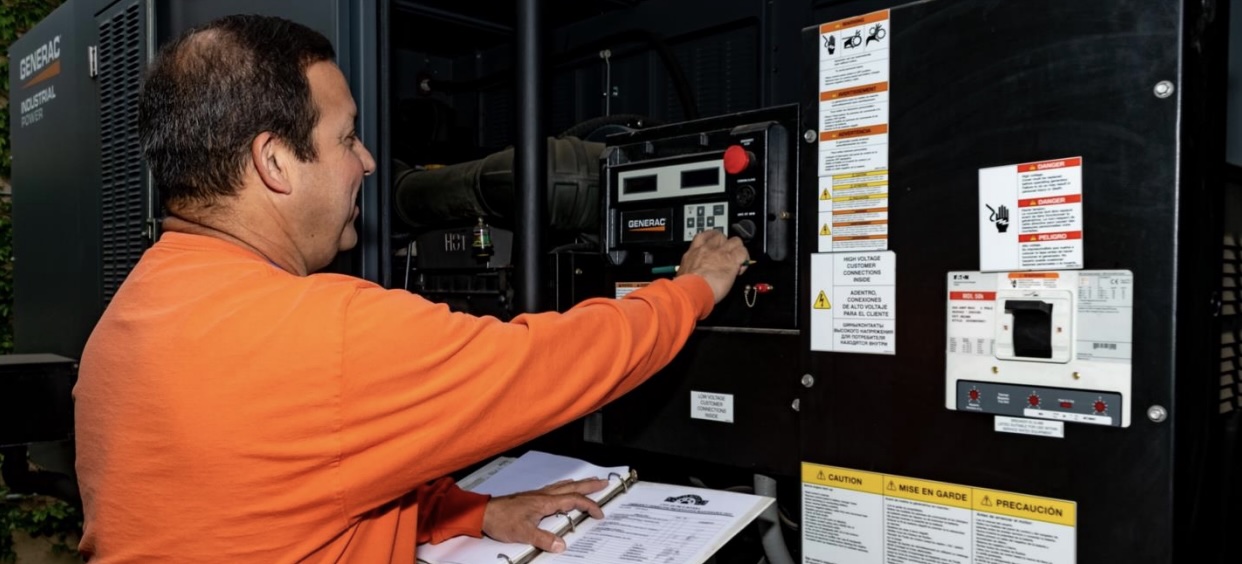
Image above demonstrates the City’s Public Works routine check on the electricity panel at one of our facilities.
Phased electrification for new buildings 


Leaf icons indicate emissions reduction and resilience impact (more leaves = greater potential impact).
Action: Implement electrification programs, followed by regulations, for new buildings.
Encouraging all-electric new buildings reduces pollution and prepares homes and businesses for a clean energy future. Incentives like faster permits and rebates especially for affordable housing make electrification more accessible and cost-effective.
In the short term, the City will continue to enforce California’s 2022 Building Energy Efficiency Standards and incentivize electrification in new residential and commercial buildings. Offer incentives for all-electric new buildings through expedited permitting, tax exemptions, and rebates, prioritizing low-income housing. Evaluate a range of code components, including encouraging or requiring buildings to be EV charging infrastructure-ready and solar-ready.
Timeline: Ongoing
Progress: The City has not yet begun to implement this action..
Phased electrification for existing buildings 


Leaf icons indicate emissions reduction and resilience impact (more leaves = greater potential impact).
Action: Implement electrification programs, followed by regulations, for existing buildings.
Studying electrification options for existing buildings helps determine what upgrades are practical and affordable. Partnering with local energy providers ensures future programs are based on real costs and community needs.
In the short term, the City will work with Pico Rivera Innovative Municipal Energy (PRIME) and Southern California Renewable Energy Network (SoCalREN) to perform a study for existing buildings to determine the feasibility and cost of electrification retrofits.
Timeline: Near-term
Progress: The City has not yet begun to implement this action.
Renewable electricity 


Leaf icons indicate emissions reduction and resilience impact (more leaves = greater potential impact).
Action: Increase renewable electricity consumption and procurement.
Expanding access to 100% renewable electricity reduces climate pollution and improves air quality. Ensuring clean energy options remain affordable helps protect low-income households from rising energy costs while advancing climate goals.
The City will:
- Build on existing efforts to ensure that Pico Rivera Innovative Municipal Energy (PRIME) reaches 100% renewable electricity by 2030.
- Before 2030, automatically enroll all new customers in PRIME Future, a 100% renewable energy product.
- Ensure that increased use of renewable electricity benefits low-income communities most impacted by climate change, and prevent raising utility rates or increasing the energy burden on these communities.
Timeline: Medium-term
Progress: Check out the chart below to see historical trends for energy use in Pico Rivera buildings. It shows how much total energy has been used and how much energy has been renewable.
Both non-renewable and renewable energy use in Pico Rivera increased from 2019 to 2021.
PRIME Energy Consumption and Sources
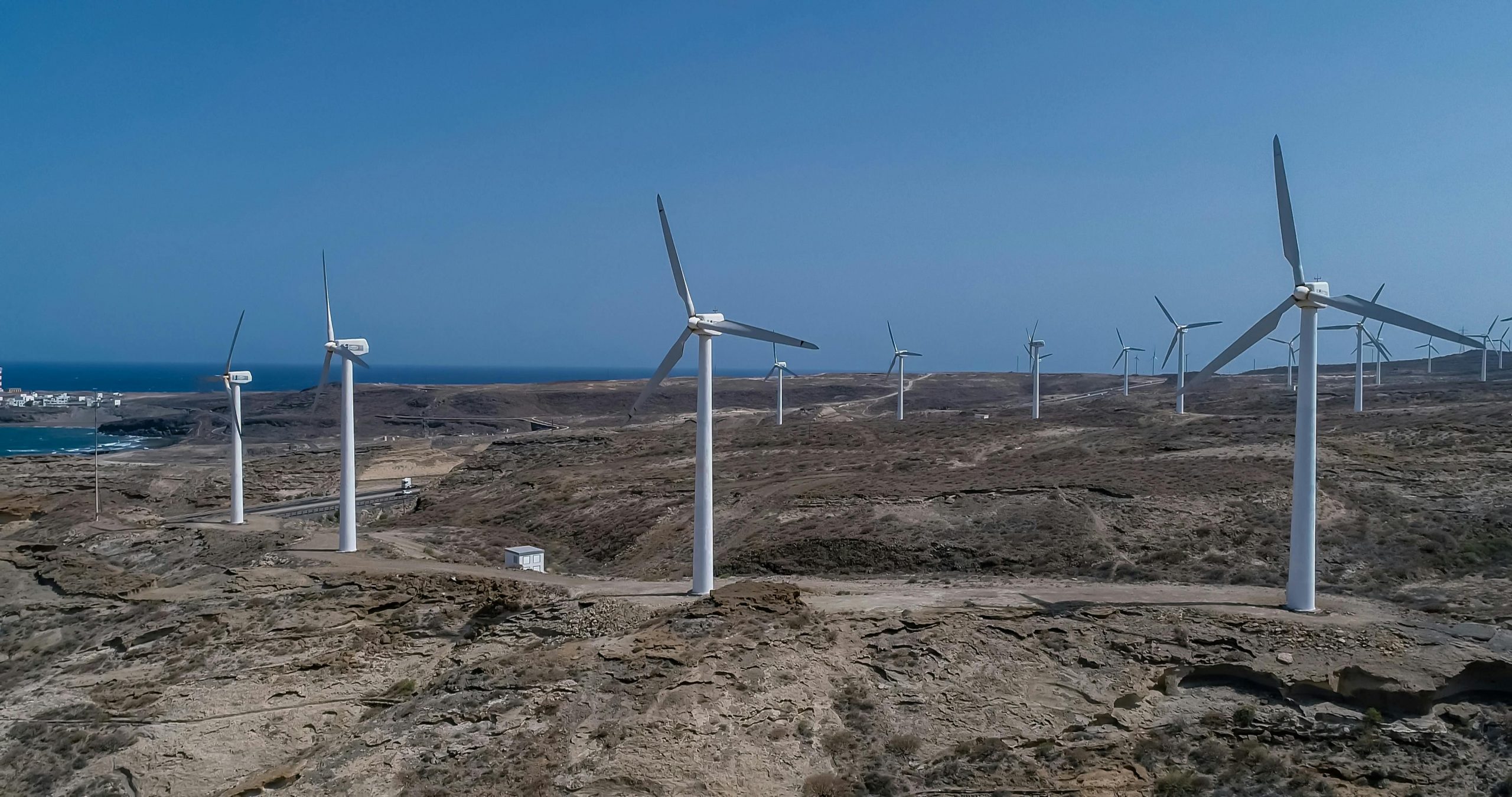
Image above depicts a wind farm. This is one of the many sources of renewable energy that PRIME purchases on behalf of the residents.
Renewable energy generation and access 


Leaf icons indicate emissions reduction and resilience impact (more leaves = greater potential impact).
Action: Support renewable energy generation and access in collaboration with PRIME.
Working with PRIME helps residents and businesses access clean energy, rebates, and lower-cost energy programs. These partnerships reduce barriers to solar and battery adoption, especially for households most impacted by climate change or high energy costs.
The City will promote equitable community engagement programs to assist residents in finding energy efficiency programs and available discounts or rebates through PRIME, especially for residents who are most vulnerable to climate impacts or costburdened. The City will also continue to enroll customers in the PRIME Community Choice Aggregate (CCA) program and Power Choice Program.
Timeline: Ongoing
Progress:
PRIME currently offers both a Community Choice Aggregate (CCA) program and Power Choice Program, which offers customers photovoltaic (PV) solar and battery storage at no upfront cost.
For more information, see:
• PRIME Power Choice
• PRIME Future
Check out the chart below to see historical trends for energy use in Pico Rivera buildings. It shows how much total energy has been used and how much energy has been renewable.
Both non-renewable and renewable energy use in Pico Rivera increased from 2019 to 2021.
PRIME Energy Consumption and Sources
Image above portrays the City’s PRIME Power Choice informational booth. This program is designed to make renewable solar energy accessible to more members of the community. There are no upfront costs or credit check requirements for residents participating in the City’s CCA.
Community solar and microgrids 


Leaf icons indicate emissions reduction and resilience impact (more leaves = greater potential impact).
Action: Develop, support, and incentivize community solar and microgrid projects and programs.
Community solar and microgrids provide clean, reliable energy that can keep power running during outages. Prioritizing these projects in heat-vulnerable neighborhoods helps protect residents while expanding access to affordable renewable energy.
This can look like:
- Continuing to incentivize community solar power infrastructure installation and usage, such as through PRIME’s Power Choice Solar and Battery Program.
- Identifying potential partnerships and financing opportunities for microgrid development.
- Working with local organizations to assist low-income communities in accessing affordable solar power, and site solar and microgrid projects in 27 neighborhoods most vulnerable to climate impacts, such as the northern portion of the City, which faces higher risk from the effects of extreme heat.
Timeline: Ongoing
Progress: PRIME currently offers both a Community Choice Aggregate (CCA) program and Power Choice Program, which offers customers photovoltaic (PV) solar and battery storage at no upfront cost. For more information, see:
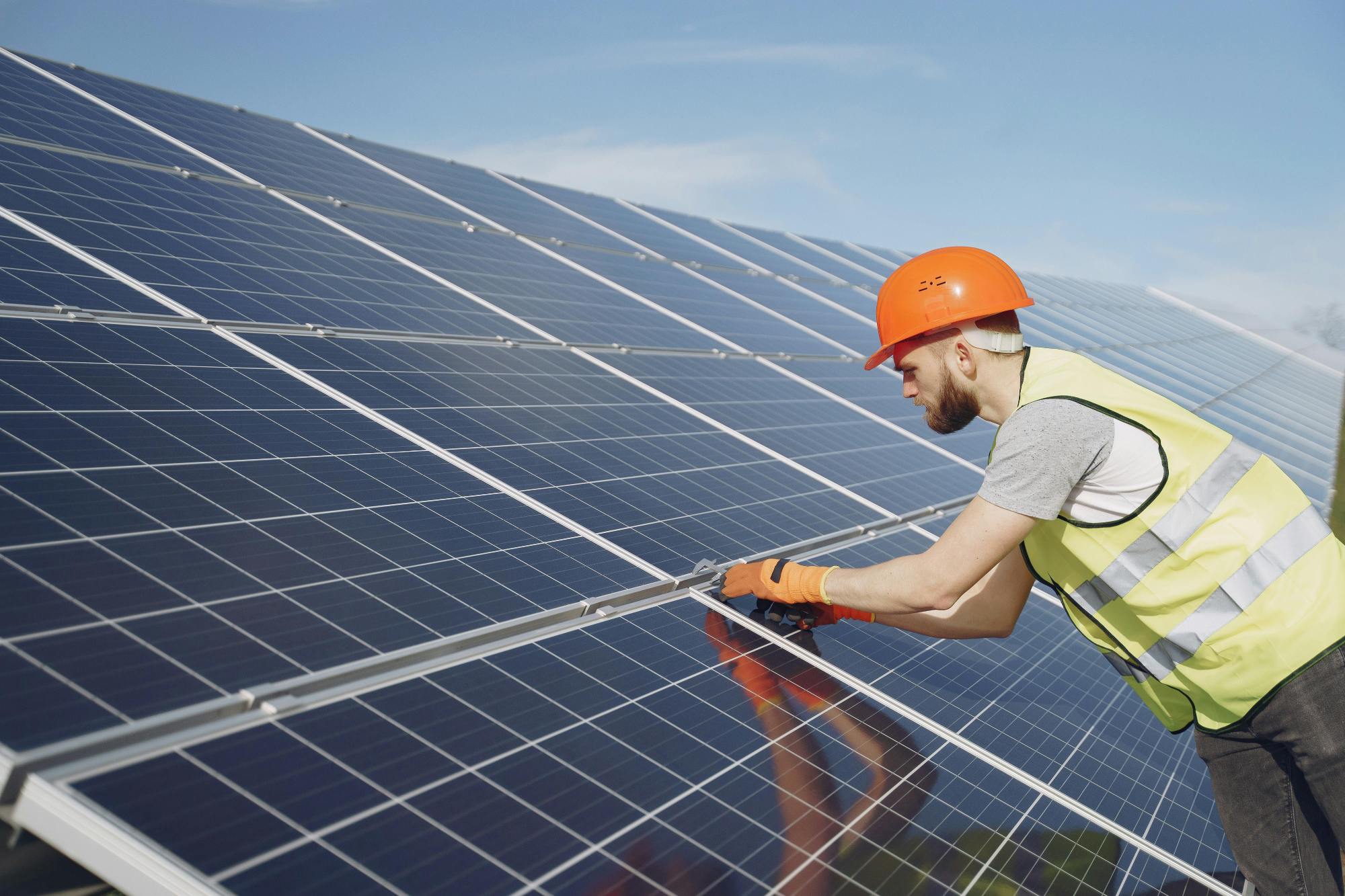
Image above shows a solar panel system. A microgrid program in the City might look at installing solar and battery systems on facility rooftops, attaching PV on parking canopies, and assessing other spaces for opportunities. Creating a local microgrid better ensures the safety of the community in the case of emergencies by providing back-up energy.
what can you do
Reduce your energy demand
Get a home energy check-up to see how improving insulation and sealing air leaks can improve efficiency and lower your bills.
Explore smart home technologies to reduce your energy consumption.
Turn off your lights and appliances when you are not using them.
Find more everyday tips here: https://www.poweredbyprime.org/energy-tips
Image depicts lamp with light-emitting diode (LED) lightbulb. LEDs use 75-90% less energy than incandescent bulbs making it an easy swap for homeowners.
Electrify your appliances
Upgrade your gas-powered appliances to electric.
When it’s time to replace your heating, cooling, and water heating equipment, consider installing a heat pump.
Image above portrayed an energy efficient electric stove top. This is one of the many energy efficient appliances that residents in the City can consider when many upgrades to their home.
Take Advantage of Utility Incentive Programs
These can include energy-efficient light bulbs, discounts on at-home solar installations, heat pumps, smart thermostats and more.
Start by checking out the Pico Rivera Innovative Municipal Energy (PRIME) website: https://www.poweredbyprime.org/programs-offerings.
In 2025, PRIME is launching the Power Choice CARE program — a limited-time opportunity for CARE/FERA income-qualified customers to get solar + battery installation. Learn more and see if you qualify at PRIME’s Power Choice CARE website.
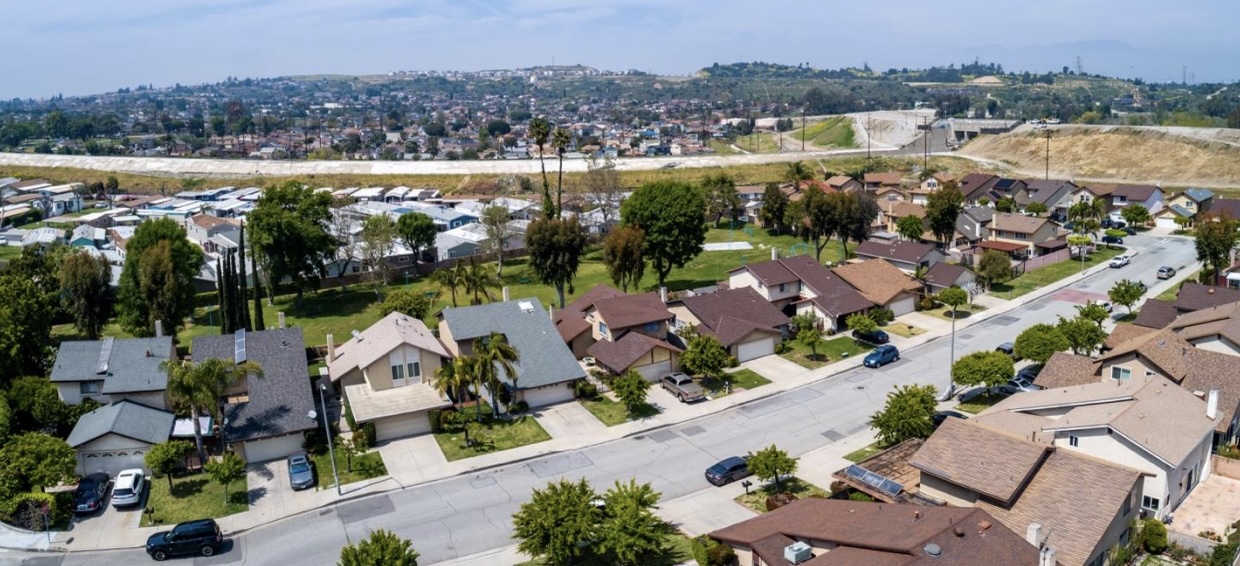
Image shows a neighborhood in the Pico Rivera community. The City encourages homeowners and renters to connect with the City about local, county, or statewide programs that can allow them to make more energy efficient choices.
Español
English
العربية
Հայերեն
ភាសាខ្មែរ
简体中文
فارسی
Deutsch
日本語
한국어
Русский
Filipino
ไทย
Tiếng Việt