City of Pico Rivera's Climate Action and Adaptation Plan Dashboard
Materials & Consumption
Deep Dive into Materials & Consumption
Our community generates greenhouse gas emissions through the products we buy, use, and throw away. These emissions occur not only from local waste collection and disposal, but also upstream, during the processing, manufacturing, packaging, and transportation of goods.
Locally in Pico Rivera, GHGs in this sector mostly come from landfill waste. By reducing waste, reusing materials, repairing items, and choosing products with lower environmental impacts, Pico Rivera can reduce emissions while conserving resources and reducing pollution both locally and globally.
The City aims to reduce emissions from materials and consumption by supporting waste reduction, reuse, recycling, composting, and education that helps residents and businesses make informed purchasing and disposal choices.
The graph below shows Pico Rivera’s greenhouse gas emissions by sector over time. You’re currently looking at the page for the Materials & Consumption sector, which is highlighted below.
Greenhouse Gas Emissions in Pico Rivera
Specifically, the City has committed to:
Strategy 1. Maximize waste diversion
| Action ID | Action Name | Brief Action Description |
|---|---|---|
| MC1.1 | Zero Waste Plan | Develop and implement a Zero Waste Plan to reduce waste and improve recycling and composting in the city |
| MC1.2 | Recycling and composting education | Expand education, outreach, and technical assistance to promote recycling and composting |
| MC1.3 | Food waste diversion program | Expand the City's organic waste collection program, create a food waste education campaign, and support edible food recovery |
Strategy 2. Promote a circular economy
| Action ID | Action Name | Brief Action Description |
|---|---|---|
| MC2.1 | Community reuse and circularity | Support circularity and reuse through partnerships and promotion of existing programs and services |
| MC2.2 | Environmentally Preferable Purchasing Policy | Implement an Environmentally Preferable Purchasing Policy |
| MC2.3 | C&D ordinance | Consider requirements for reducing waste from construction and demolition (C&D) |
what the city is doing
Zero Waste Plan 


Leaf icons indicate emissions reduction and resilience impact (more leaves = greater potential impact).
Action: Develop and implement a Zero Waste Plan to reduce waste and improve recycling and composting in the city.
A Zero Waste Plan can help reduce how much material is sent to landfills by increasing recycling, composting, and waste reduction. This lowers GHG emissions while saving resources and supporting state waste reduction goals.
Timeline: Ongoing
Progress: Check out the chart below to see Pico Rivera’s waste diversion (the amount of waste that is recycled or composted instead of sent to landfill) over time. It shows how much waste from residences, commercial buildings, and roll-off or construction containers was diverted from landfill from 2019 to 2024.
Commercial and roll-off/construction diversion rates from landfill have increased since 2019, while residential diversion has stayed largely flat.
Percentage of Waste Diverted by Collection Type
Environmentally Preferable Purchasing Policy 


Leaf icons indicate emissions reduction and resilience impact (more leaves = greater potential impact).
Action: Implement an Environmentally Preferable Purchasing Policy.
Choosing low-carbon, reusable, and resource-efficient products reduces emissions from the goods the City buys. Public purchasing power helps drive cleaner markets and sets an example for the community.
Timeline: Near-Term
Progress: The City is currently updating this internal document in order to stay compliant with current SB 1383 procurement standards.
Image depicts recyclable office paper products. Per 2022 SB 1383 jurisdictions are required to purchase recycled-content paper products that are themselves recyclable.
Recycling and composting education 


Leaf icons indicate emissions reduction and resilience impact (more leaves = greater potential impact).
Action: Expand education, outreach, and technical assistance to promote recycling and composting.
Clear information and hands-on support help residents and businesses recycle and compost correctly. Targeted outreach ensures everyone can participate.
The City will collaborate with NASA Services, Pico Rivera’s waste and recycling services provider, to expand existing outreach programs, provide technical assistance and incentives, and develop equitable outreach materials.
Timeline: Ongoing
Progress: Through the City Green Business Plan, the City offers waste service rightsizing and audits to commercial entities. The City’s education campaign related to SB 1383 will focus on commercial education and outreach.
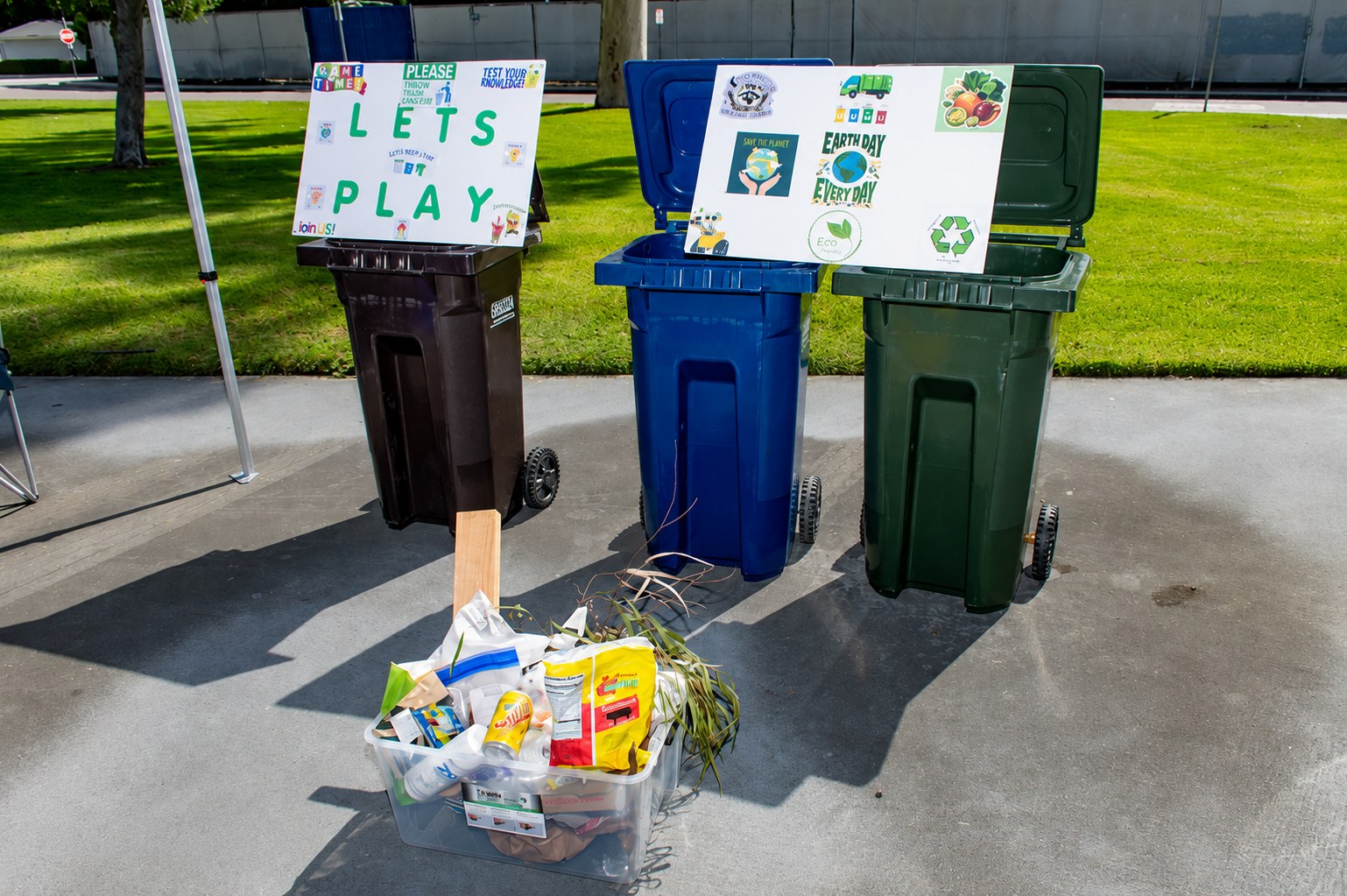
Image shows a waste sorting activity hosted by NASA Waste Services that helps residents clarify what goes in each waste bin.
Food waste diversion program 


Leaf icons indicate emissions reduction and resilience impact (more leaves = greater potential impact).
Action: Expand the City’s organic waste collection program, create a food waste education campaign, and support edible food recovery.
Keeping food out of landfills reduces powerful climate-warming gases and saves edible food from being wasted. Expanding organics collection and food recovery supports climate goals while helping feed people in need.
Timeline: Ongoing
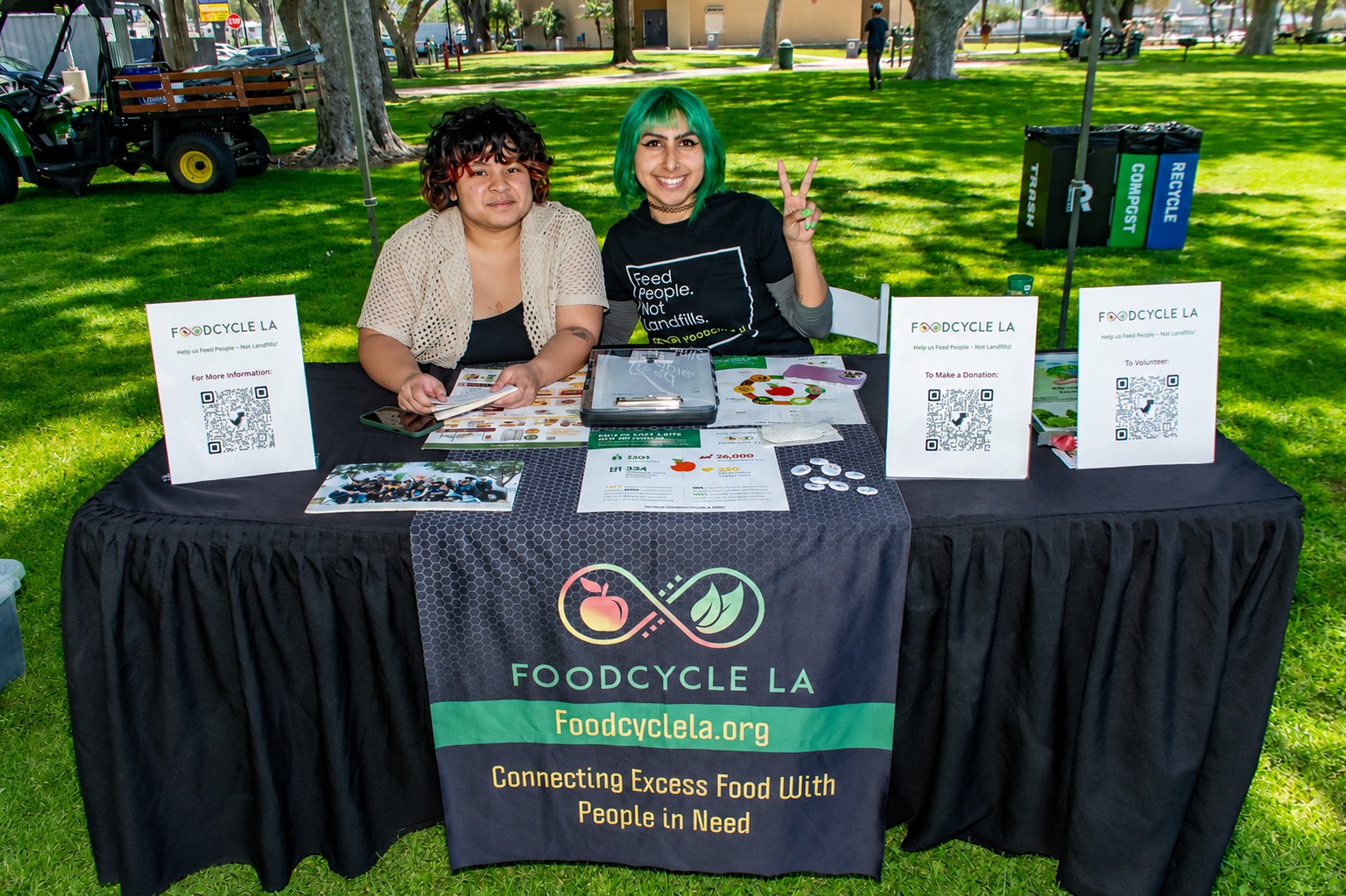
Progress: The City has distributed food scrap collection bins at over 20 City events since 2024 as well as have developed specialized outreach materials for both 50 residential and commercial entities. Additionally, the City is working with local partners like FoodCycle LA to better help commercial businesses with state regulations about the disposal of organic food waste and proper food donation strategies.
Image above shows local City partner, FoodCycle LA. This organization helps the City’s local businesses remain compliant with SB 1383’s food donation and recovery mandates.
C&D ordinance 


Leaf icons indicate emissions reduction and resilience impact (more leaves = greater potential impact).
Action: Consider requirements for reducing waste from construction and demolition (C&D).
Recycling and reusing construction materials keeps large amounts of waste out of landfills and reduces emissions from producing new materials. Clear requirements and tools help builders lower costs, as well as climate impacts.
Timeline: Ongoing
Progress: Ordinance amending Title 8, Health and Safety of the Pico Rivera Municipal Code sections 8.12.020, 8.12.530, 8.60.030, and 8.60.070 is due to be brought to council on June 9th, 2026.
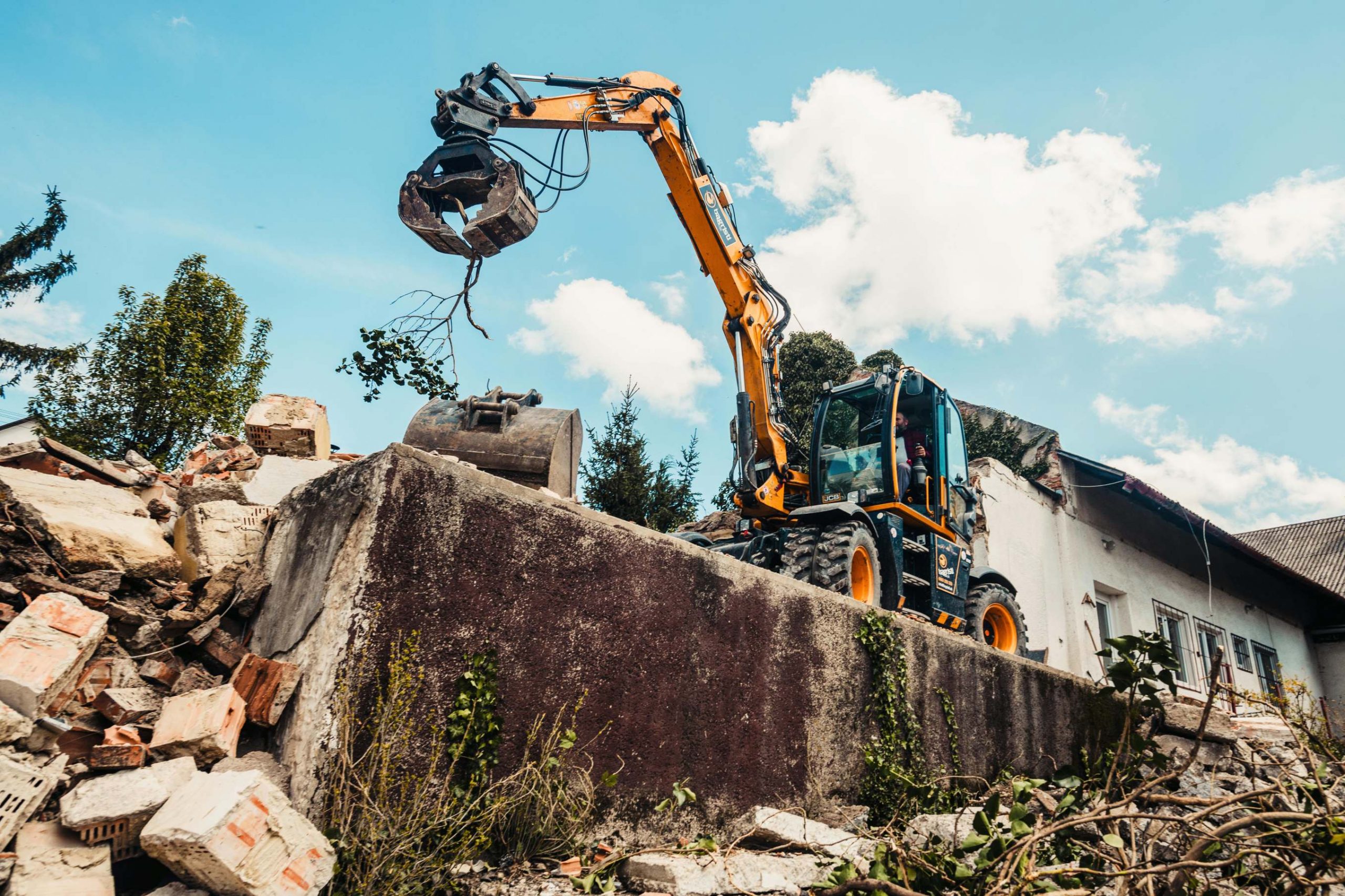
Imagine show common waste from demolition projects. The City aims to increase the required diversion rate for entities carrying out construction projects in the City and use permit funds for educational recycling programs.
Community reuse and circularity 


Leaf icons indicate emissions reduction and resilience impact (more leaves = greater potential impact).
Action: Support circularity and reuse through partnerships and promotion of existing programs and services.
Repairing, sharing, and reusing items reduces waste and the need for new materials. Supporting local reuse programs strengthens the local economy while lowering climate pollution.
Timeline: Ongoing
Progress: The City has not yet begun to implement this action.
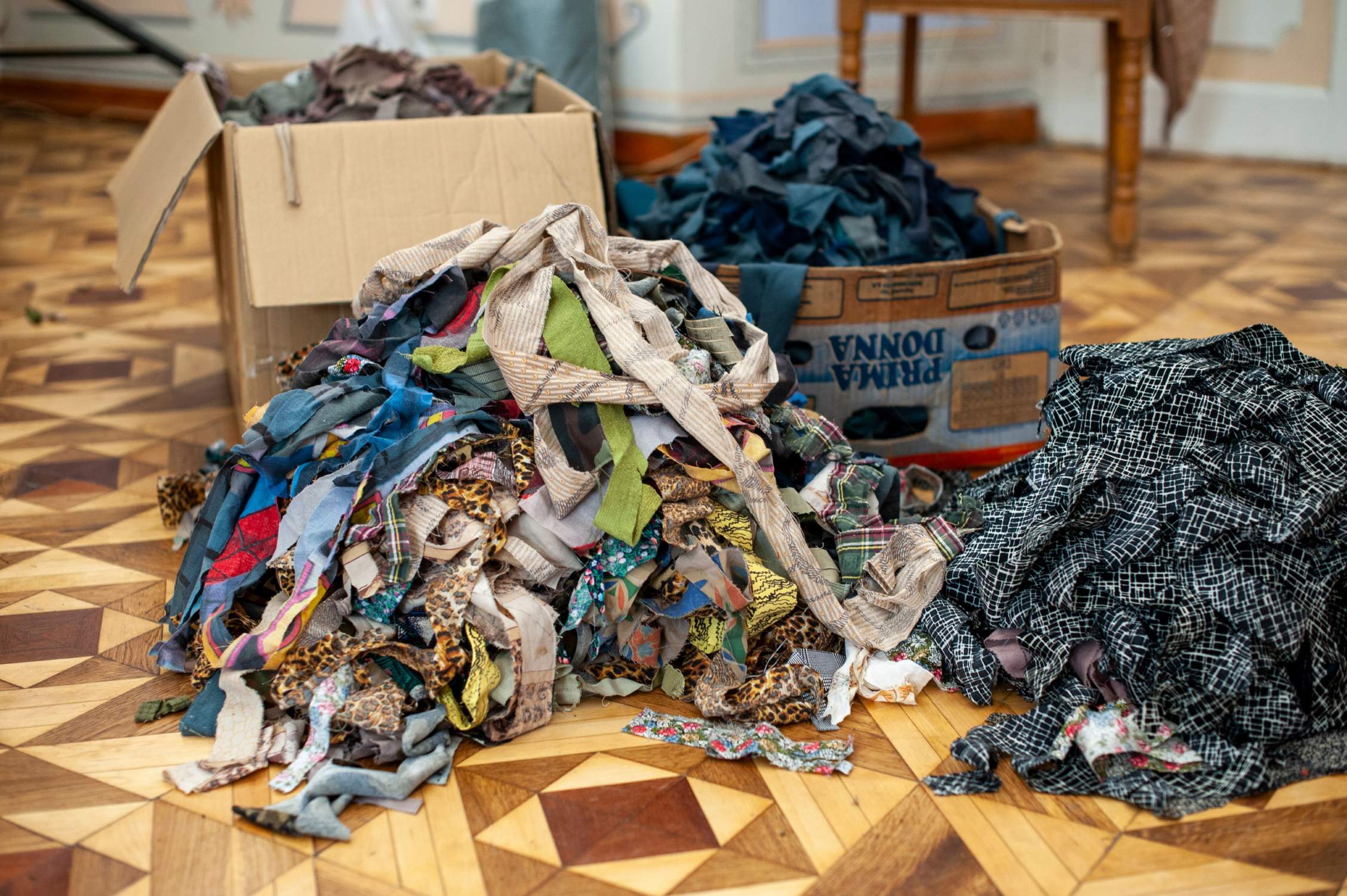
Image above captures fabric scraps prepared for repurposing. The City hopes to support reuse efforts by providing programming and workshops in the future.
what can you do
Reduce your waste
Participate in Pico Rivera’s recycling and organic waste/composting programs.
Fix your items when they need repair instead of buying new.
Work to reduce your food waste.
Swap single-use items (like straws, bags, bottles, and packaging) for reusable items.
Dispose of e-waste and hazardous waste responsibly.
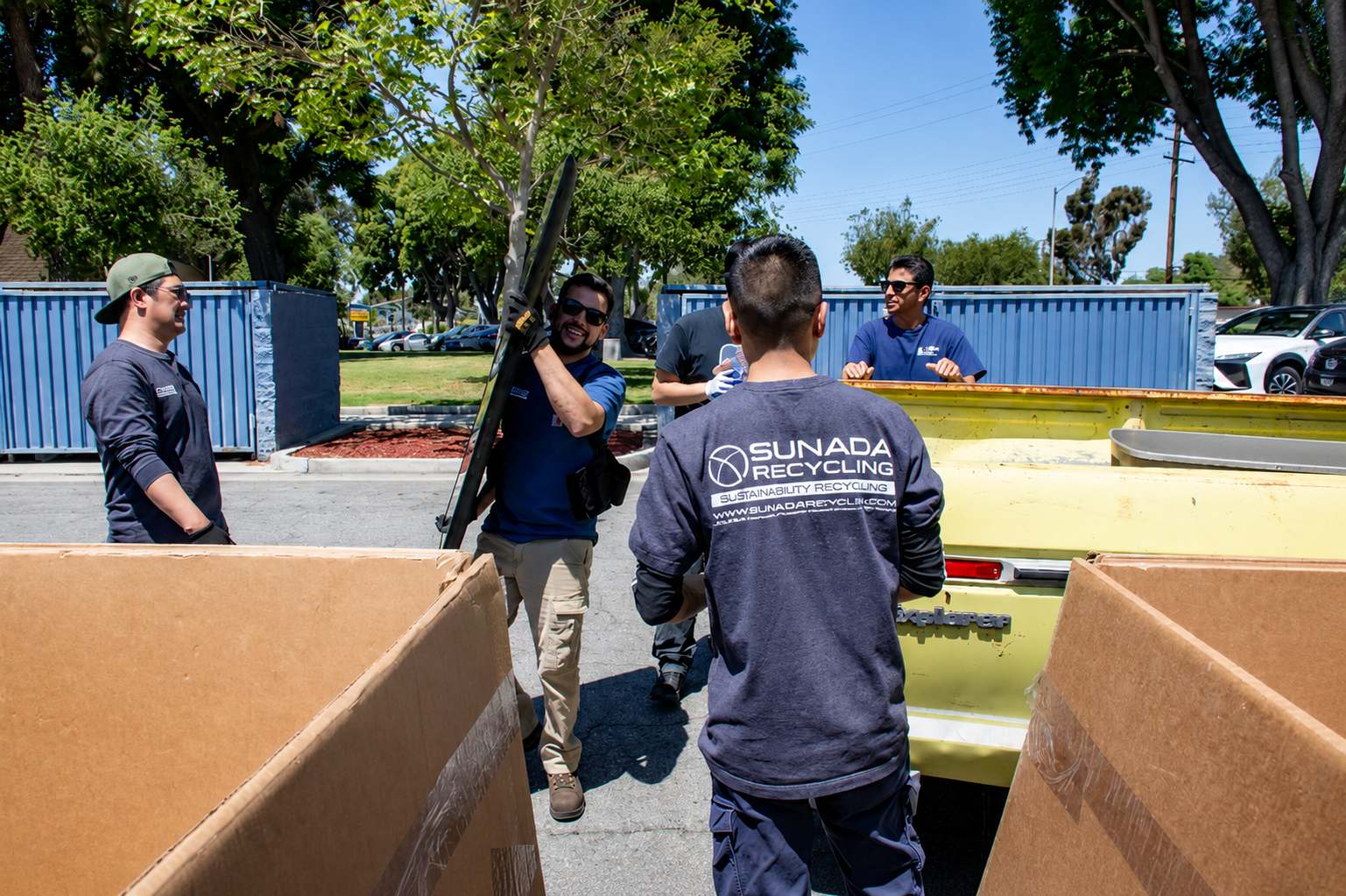
Image shows a local e-waste collection event in the City. Proper dispose of waste when repairs cannot be made are crucial for diversion goals. The City’s recycling partners provide supportive services for the community including document shredding, optional pick-ups and data destruction for eligible electronics.
Build a local circular economy
Host a clothing swap with your friends or through an organization.
Participate in your local Buy Nothing, Sell Nothing groups.
Purchase secondhand goods.
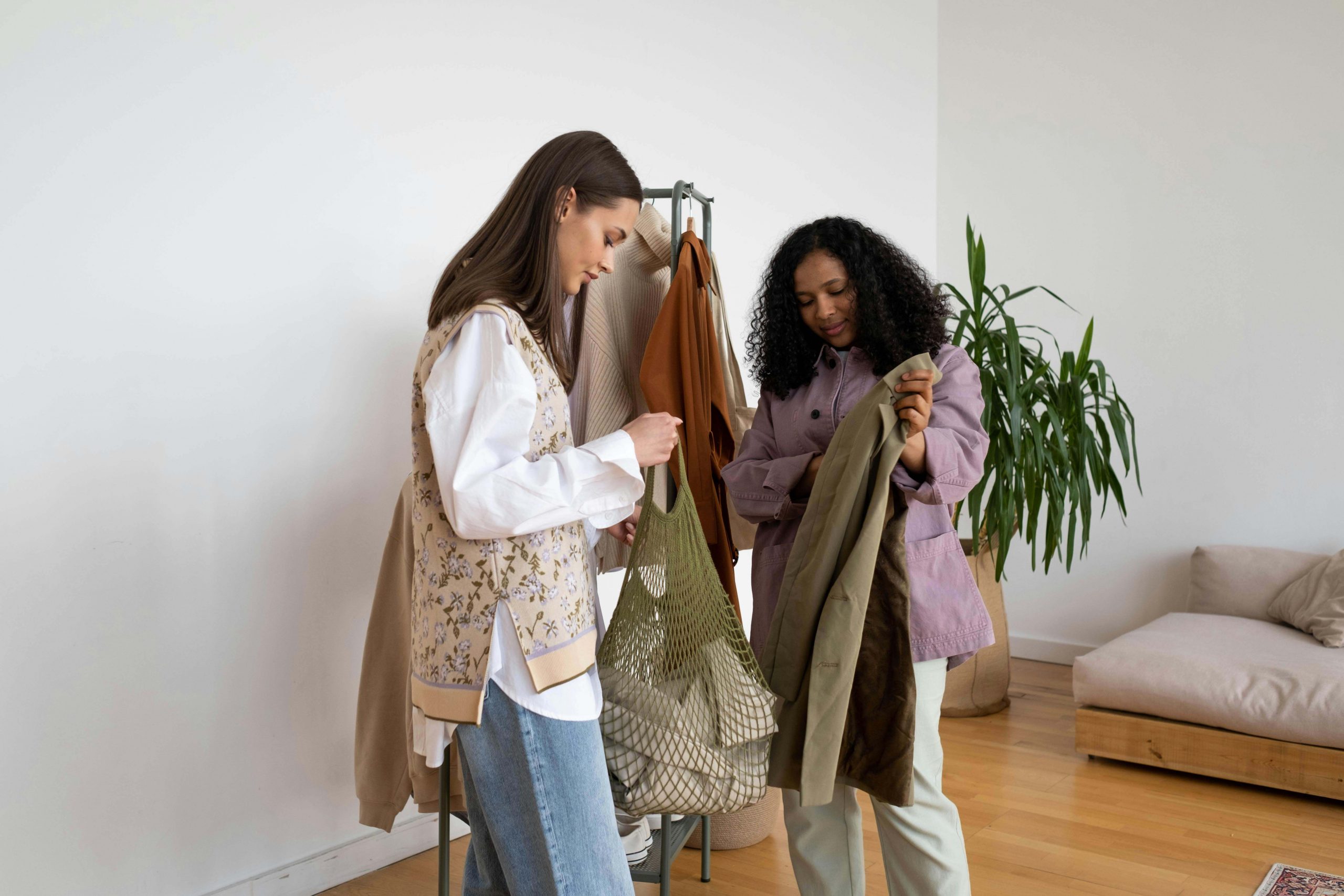
Image portrays a local swap event with gently used items. This is one of the fun ways community members can extend the life of their items before disposing them.
Español
English
العربية
Հայերեն
ភាសាខ្មែរ
简体中文
فارسی
Deutsch
日本語
한국어
Русский
Filipino
ไทย
Tiếng Việt