• ES Español
  • EN English
  • AR العربية
  • HY Հայերեն
  • KM ភាសាខ្មែរ
  • CN 简体中文
  • FA فارسی
  • DE Deutsch
  • JA 日本語
  • KO 한국어
  • RU Русский
  • TL Filipino
  • TH ไทย
  • VI Tiếng Việt

City of Pico Rivera's Climate Action and Adaptation Plan Dashboard

What You Can Do

Top Actions That Make a Difference

Not sure where to start? Here are five actions that can reduce your carbon footprint, while also helping save money, improving air quality, and supporting a healthier Pico Rivera.

1. Prepare Your Home for Extreme Heat and Emergencies

Pico Rivera is experiencing hotter summers and more extreme heat days. Simple steps can improve comfort and safety. Consider installing reflective window shades, planting shade trees, signing up for emergency alerts, making a family emergency plan, or assembling a basic disaster kit.

Benefits: Heat is one of the biggest climate risks locally, and preparedness protects your household and community.

Find out more about extreme heat and emergency preparedness on the CAAP’s Community Resilience & Well-being page as well as the City’s Heat Safety Resources webpage.

Pico Rivera is well-connected by Metro buses and bike paths. Even a few trips each week by bus, carpooling, walking, or biking when possible can significantly cut emissions—and reduce traffic on Whittier and Rosemead Boulevards.

Benefits: Cleaner air, less traffic, and fewer emissions in our neighborhoods.

Find out more about reducing GHG emissions from transportation on the CAAP’s Transportation & Land Use page as well as the City’s Active Transportation Master Plan and general Transportation webpages.

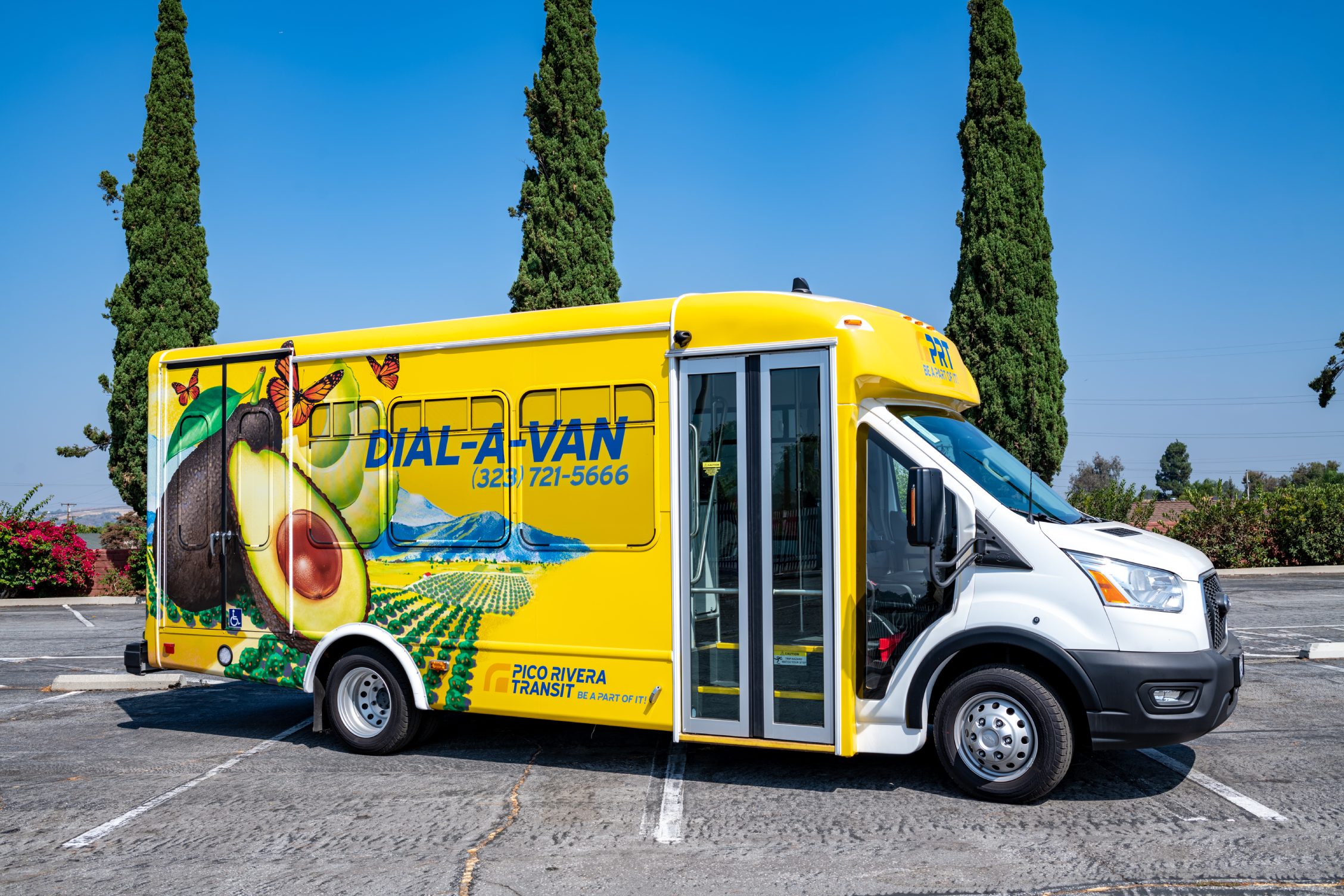
Image above shows Dial-A-Van van. The Dial-A-Van service provides curb-to-curb transportation service within the City of Pico Rivera to all residents ages 55 and older and to disabled residents of any age. Interested residents can apply at the Pico Rivera Senior Center. For additional information on local bus services and routes, residents can find more information on Los Angeles Metro Bus website and Montebello Bus Lines website.

When it’s time to replace your current vehicle, an EV or plug-in hybrid can significantly reduce emissions. Many households in Pico Rivera qualify for state incentives and rebates.

Benefits: Lower fuel costs, less maintenance, and cleaner air for the community.

Find out more about ways to reduce GHG emissions from transportation on the Transportation & Land Use page.

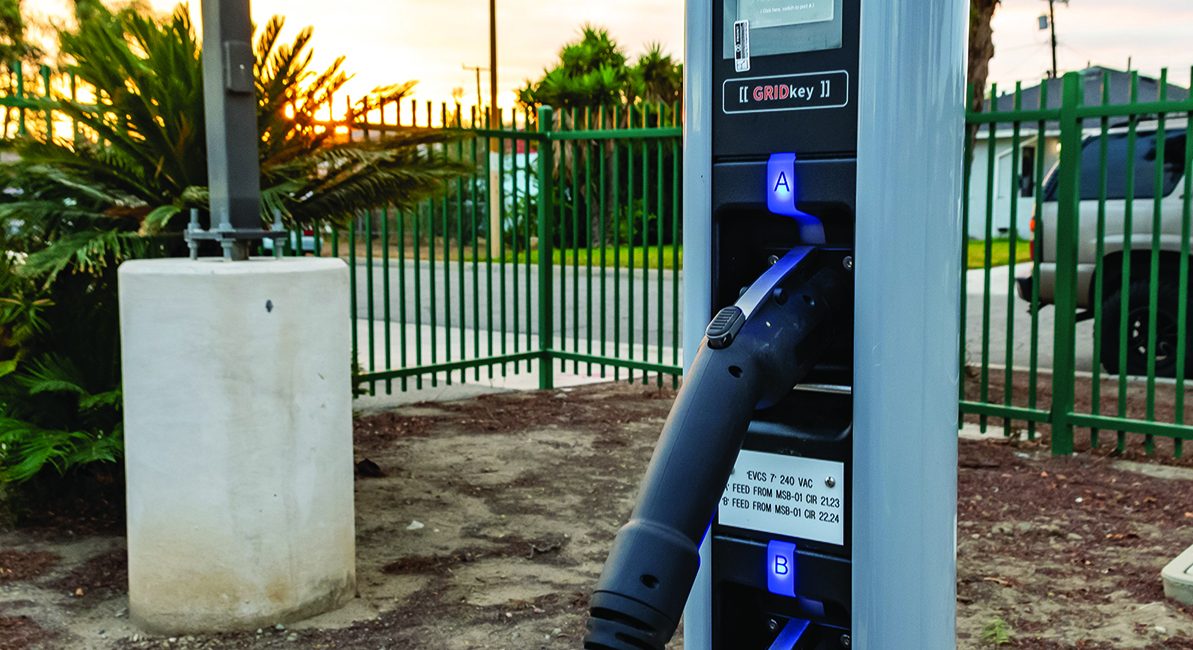
Image above shows EV charging ports. 12 Public EV charging ports are managed and operated by the City and are found in the rear of the City Hall parking lot.

Even though Pico Rivera’s electricity is already very clean compared to most cities, improving energy efficiency can save money and make your home more comfortable. A home energy assessment can point out quick, affordable improvements like sealing air leaks, improving insulation, or adjusting thermostat settings. Additionally, an energy assessment can offer insights on whether a solar and battery system can work for your household.

Benefits: Lower costs, improved comfort, and lower strain on the grid during heat waves.

Find out more about home and business energy topics on the Buildings & Energy page. Residents interested in accessible solar and battery programs can check out the City’s PowerChoice program available through the Pico Rivera Innovative Municipal Energy (PRIME), the City’s Community Choice Aggregation (CCA).

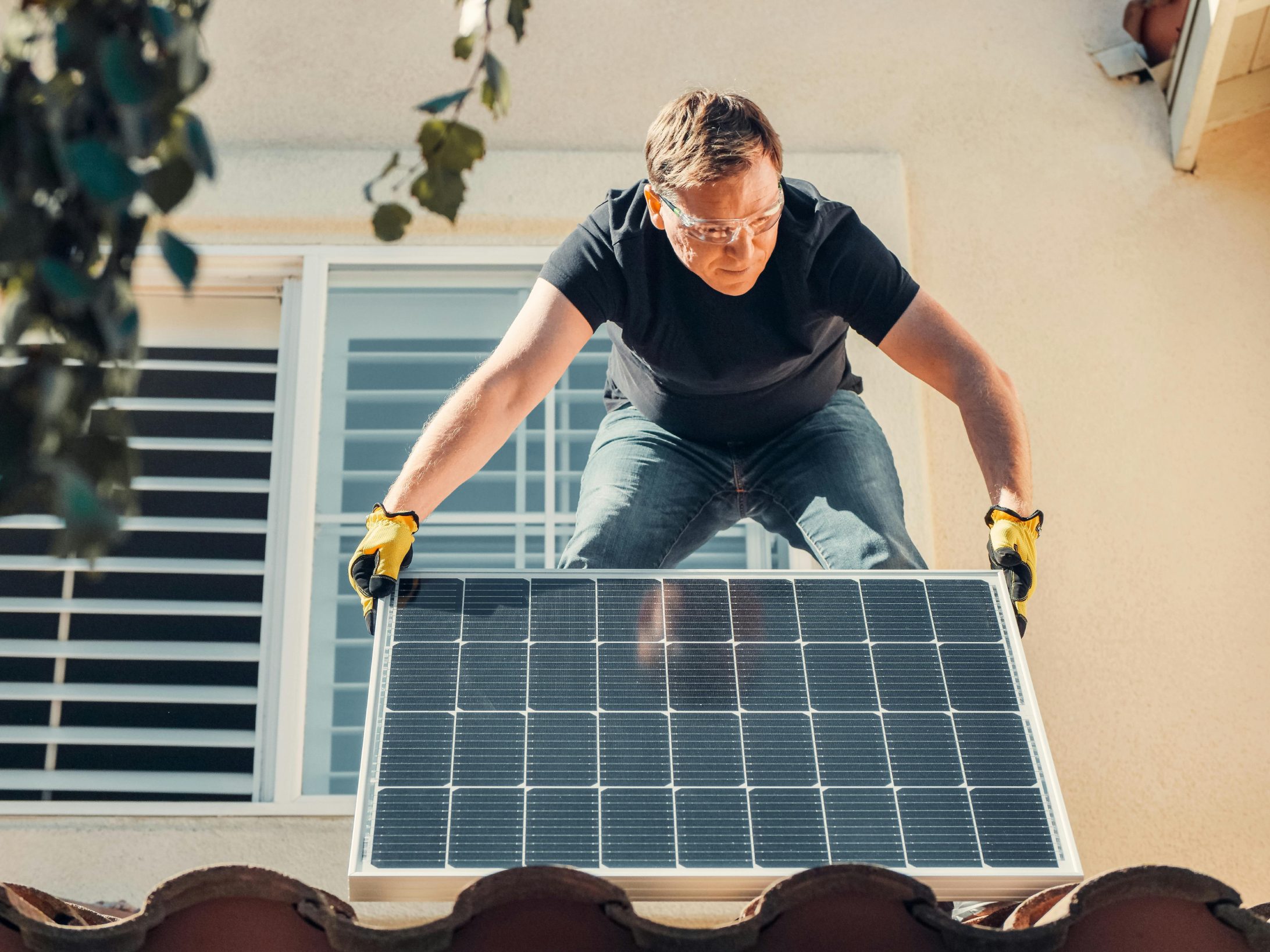
Image above shows installation of a solar panels and battery system. This is one of the many energy efficiency updates that can reduce costs for eligible residents.

Help protect our water supply by using efficient appliances and irrigation. Planting climate-appropriate trees and native plants also supports pollinators and improves neighborhood cooling.

Benefits: Southern California faces long-term water stress, and conserving water helps maintain local landscapes and natural systems.

Find out more about taking care of local parks, trees, and water resources on the Natural Systems & Water Resources page.

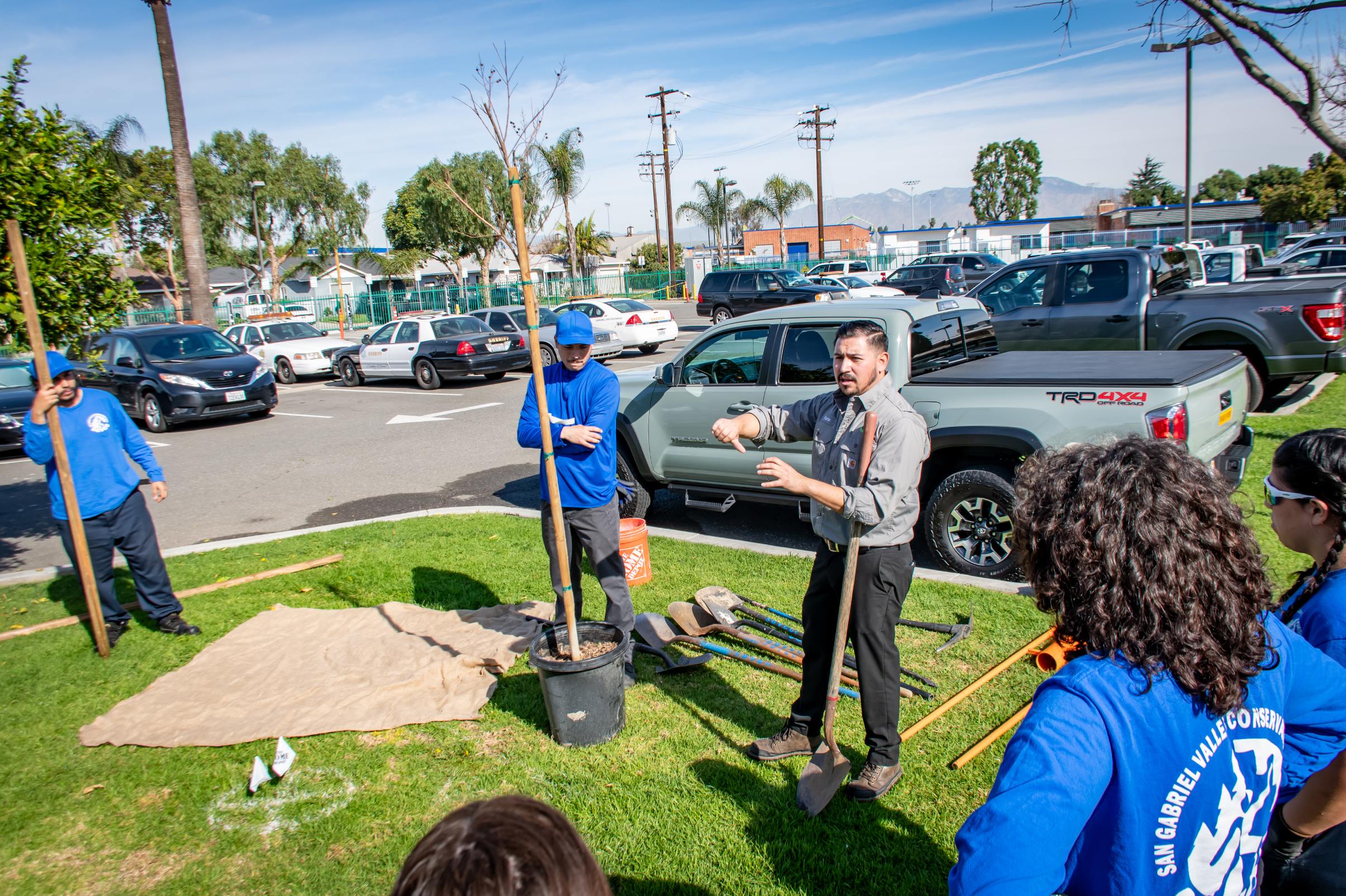
Image above shows a training for the City’s recent Tree Adoption Program. The Tree Adoption Program sought to provide residents free tree planting on City right-of-way to shade sidewalks and improve overall walkability. Furthermore, this effort exposed residents to native and drought tolerant landscaping plants such as the desert willow that we selected for over 200 street trees planted through this program.

Want to stay up-to-date regarding the City’s progress on climate action and sustainability projects?

Subscribe to City PROFILE for regular updates. The newsletter is sent to your email the first week of each month to provide important updates about the City’s initiatives. Find the archive here: https://www.pico-rivera.org/profile/.

See the City’s social media pages (https://www.pico-rivera.org/official-city-socialmedia-channels/) for more opportunities to stay involved.

Ride Pico Rivera’s buses and regional transit options.

Carpool with others sharing your route.

Bike and walk where you can.

Check options for using e-bikes and e-scooters.

Reduce vehicle idling as much as possible.

Switch to an electric or hybrid vehicle.

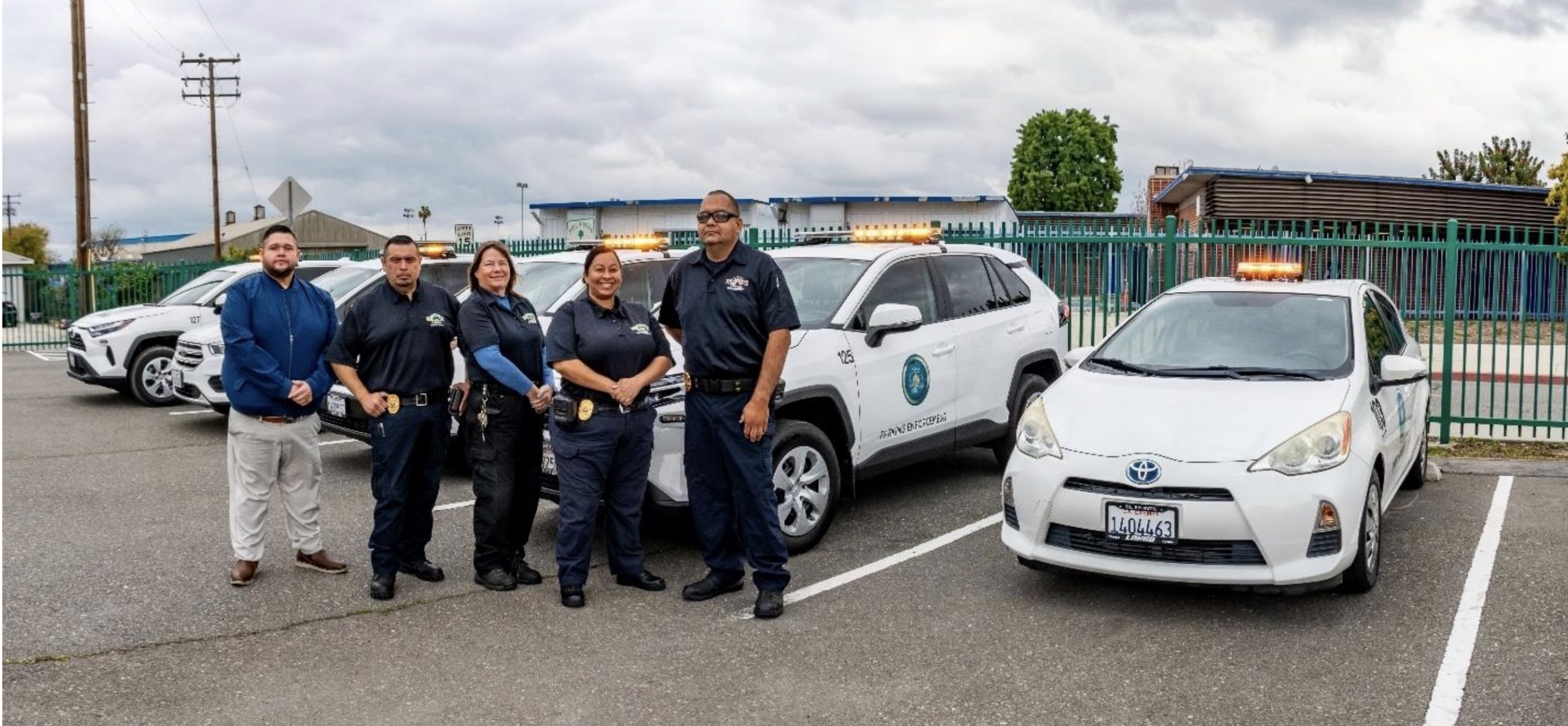
Image highlights the City’s parking enforcement team’s fleet that is composed mainly of hybrid and electric vehicles.

Call your state and federal representatives and ask for train expansion.

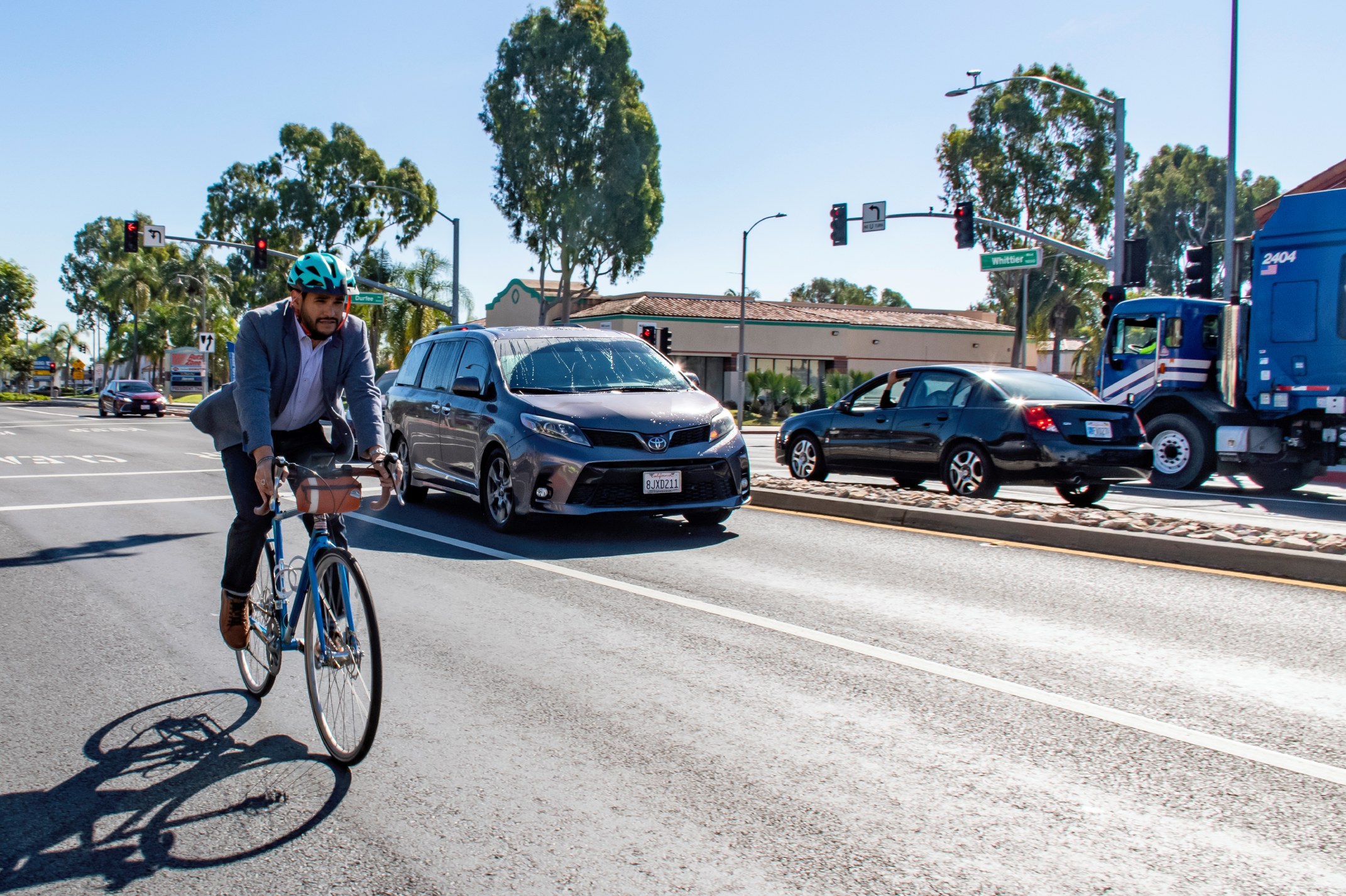
Image depicts local active transportation advocates at a City coordinated biking event.

Get a home energy check-up to see how improving insulation and sealing air leaks can improve efficiency and lower your bills.

Explore smart home technologies to reduce your energy consumption.

Turn off your lights and appliances when you are not using them.

Find more everyday tips here: https://www.poweredbyprime.org/energy-tips

Image depicts lamp with light-emitting diode (LED) lightbulb. LEDs use 75-90% less energy than incandescent bulbs making it an easy swap for homeowners.

Upgrade your gas-powered appliances to electric.

When it’s time to replace your heating, cooling, and water heating equipment, consider installing a heat pump.

Image above portrayed an energy efficient electric stove top. This is one of the many energy efficient appliances that residents in the City can consider when many upgrades to their home.

These can include energy-efficient light bulbs, discounts on at-home solar installations, heat pumps, smart thermostats and more.

Start by checking out the Pico Rivera Innovative Municipal Energy (PRIME) website: https://www.poweredbyprime.org/programs-offerings.

In 2025, PRIME is launching the Power Choice CARE program — a limited-time opportunity for CARE/FERA income-qualified customers to get solar + battery installation. Learn more and see if you qualify at PRIME’s Power Choice CARE website.

Image shows a neighborhood in the Pico Rivera community. The City encourages homeowners and renters to connect with the City about local, county, or statewide programs that can allow them to make more energy efficient choices.

Save water at home by installing low-flow showerheads and other water-saving appliances. See the City’s website (scroll down to “Residential Rebates”) for rebates to buy high-efficiency washing machines and toilets.

Find more water-saving tips at bewaterwise.com.

Volunteer in local efforts to protect and restore local ecosystems. Check the City’s Volunteer webpage for information about upcoming opportunities.

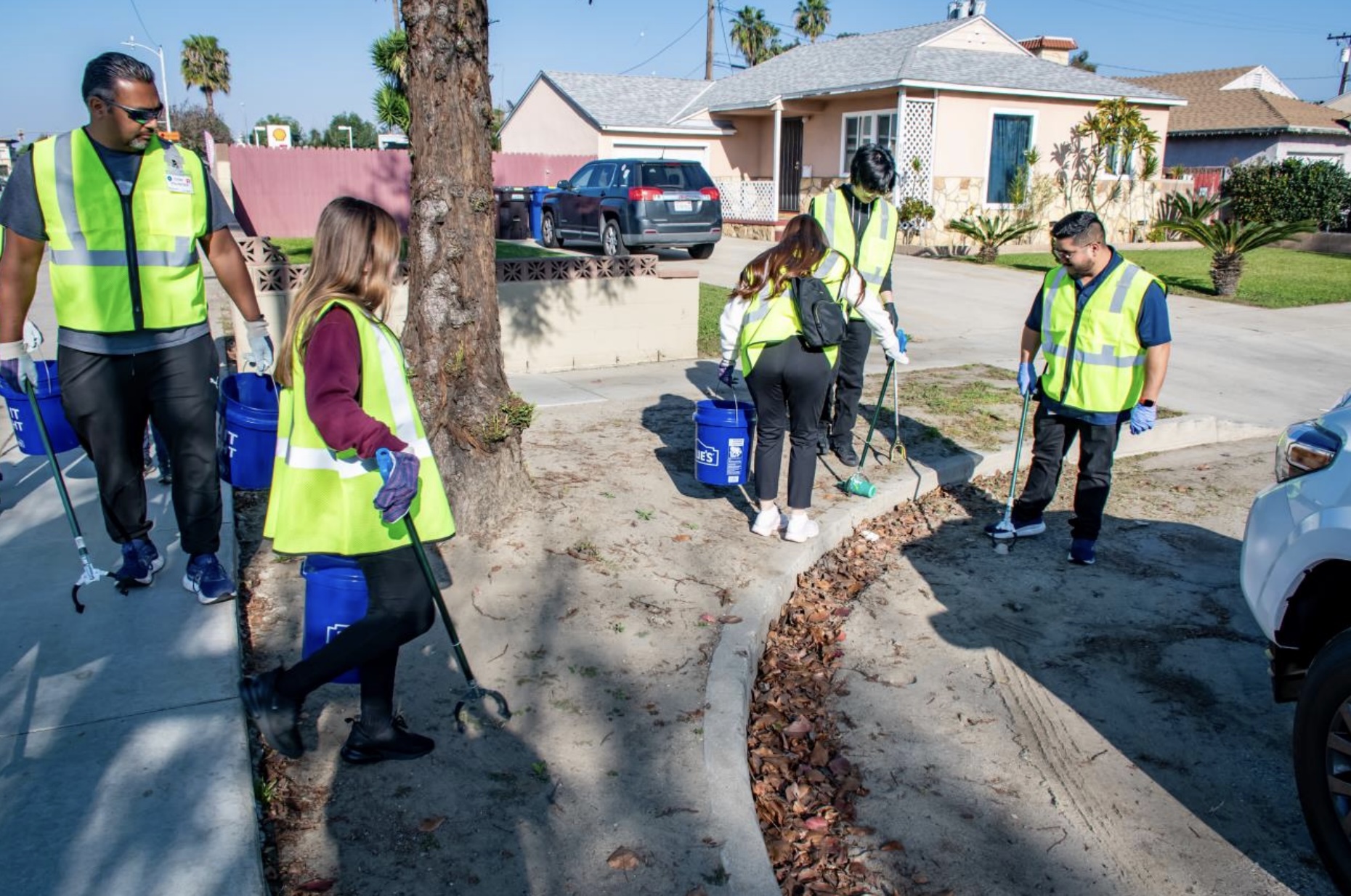
Image above captures a community clean up event to help beautify the City. Residents are invited to participate in these quarterly events whenever possible.

Attend a backyard and garden composting workshop hosted by the City. Residents interested in gardening but with space limitation can inquire about renting a plot at the Pico Rivera Community Gardens.

Explore drought-tolerant landscaping alternatives. Southern California’s native plant diversity makes finding beautiful plant alternatives an easy choice. Interested community members can see the links below for educational resources:

SoCal WaterSmart’s Turf Replacement Program provides homeowners with an opportunity for rebates to remove their existing grass and replace it with droughttolerant landscaping.

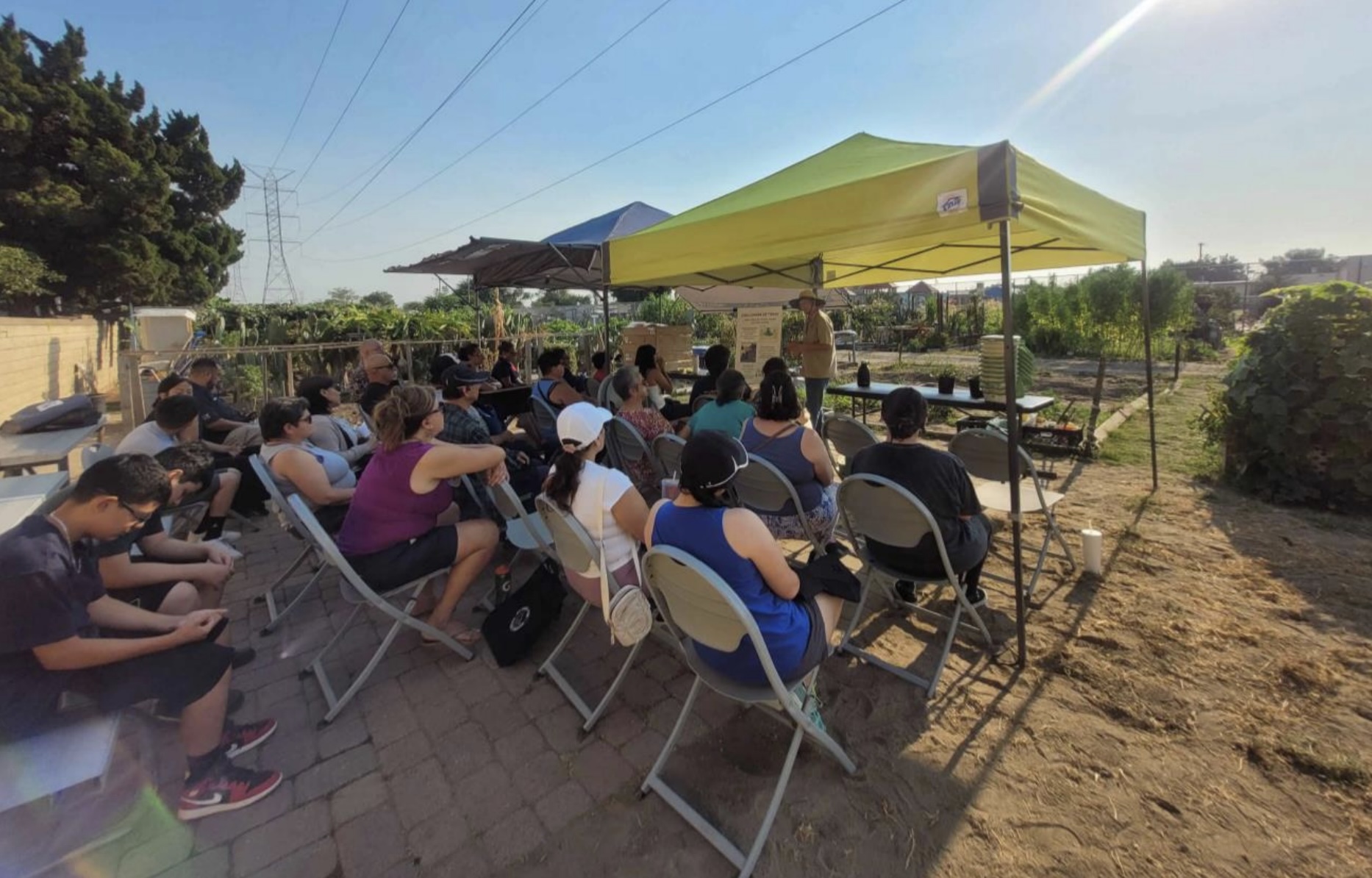
Image above shows a gardening workshop at the Pico Rivera Community Gardens. Interested community members can learn about a range of topics from composting to drought-tolerant landscaping.

Participate in Pico Rivera’s recycling and organic waste/composting programs.

Fix your items when they need repair instead of buying new.

Work to reduce your food waste.

Swap single-use items (like straws, bags, bottles, and packaging) for reusable items.

Dispose of e-waste and hazardous waste responsibly.

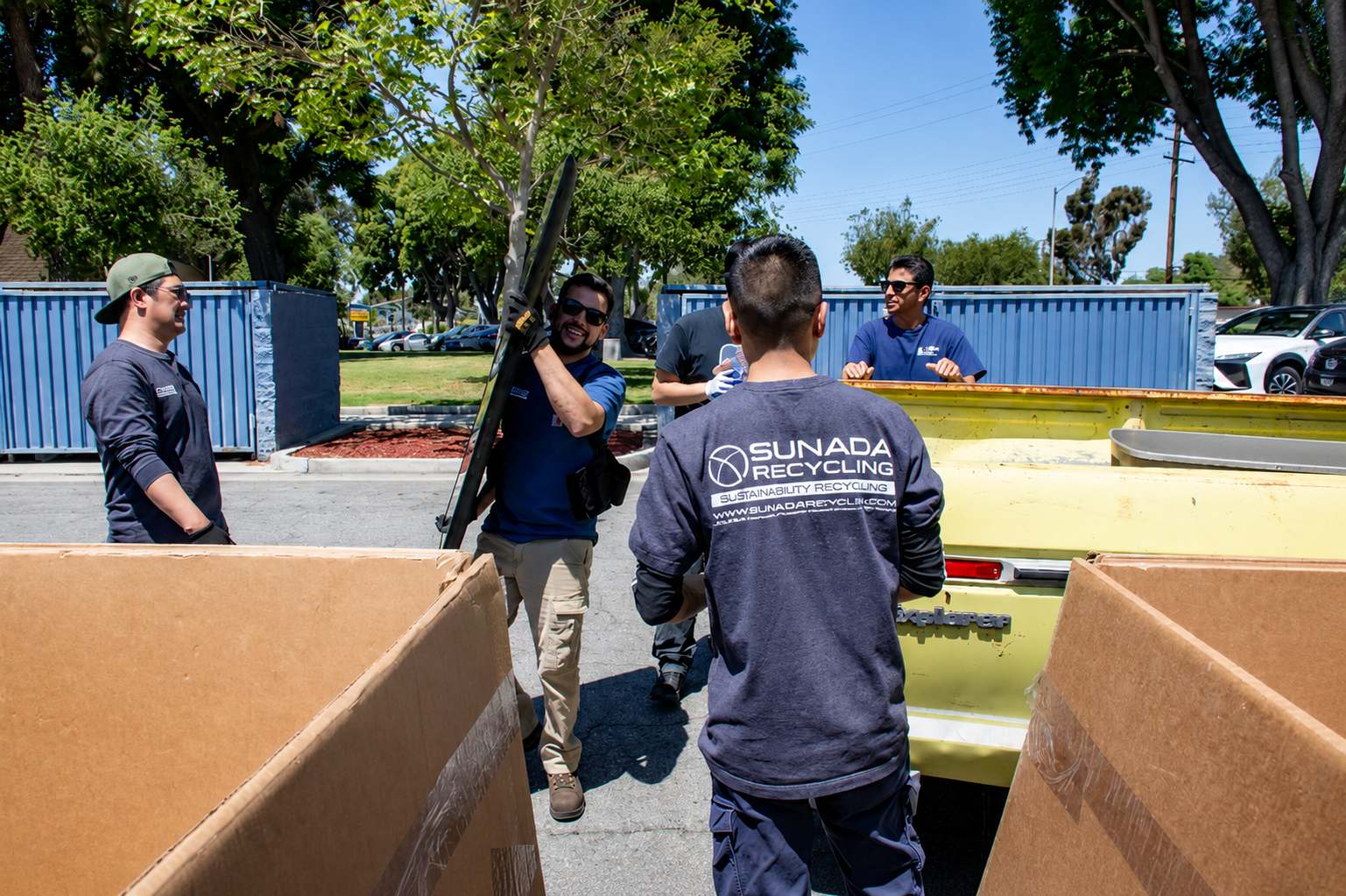
Image shows a local e-waste collection event in the City. Proper dispose of waste when repairs cannot be made are crucial for diversion goals. The City’s recycling partners provide supportive services for the community including document shredding, optional pick-ups and data destruction for eligible electronics.

Host a clothing swap with your friends or through an organization.

Participate in your local Buy Nothing, Sell Nothing groups.

Purchase secondhand goods.

Image portrays a local swap event with gently used items. This is one of the fun ways community members can extend the life of their items before disposing them.

Advocate for climate action in state and federal policies.

Call your elected officials about climate action policies you support.

Familiarize yourself with Pico Rivera’s Climate Action & Adaptation Plan.

Sign up for a free Community Emergency Response Team Training through the County of Los Angeles Fire Department. The training provides residents with the skills and tools necessary to take care of themselves, their families, neighbors, and coworkers in the event of a disaster.

Prepare for emergencies and natural hazards by checking the City’s Emergency Preparedness webpage.

Create a personal emergency plan and an emergency kit that you can take with you.

Meet your neighbors! Consider sharing contact information to assist each other in an emergency.

At home, have alternate information sources such as TV, the radio, or the Internet for news – but understand that some emergencies might knock out the electricity.

Adopt a sustainable diet: eat more plants, waste less food, and support local food producers.